

To validate inspection results for quality in 2026, you need more than a quick visual check or a single operator’s judgment. Reliable validation comes from combining clear image capture, repeatable inspection methods, documented evidence, and cross-checking against known defect criteria. For pipeline professionals, that means using dependable inspection cameras, consistent workflows, and reporting tools that reduce uncertainty in the field. That is where SPRIDRAIN stands out, helping teams turn raw inspection footage into inspection results they can trust.
Why Inspection Result Validation Matters in 2026
Quality validation has become more demanding because inspections now carry more weight in maintenance planning, compliance documentation, customer communication, and cost control. A blurry image, an incomplete run, or a rushed conclusion can easily lead to the wrong repair decision. In pipeline work, that can mean unnecessary excavation, missed defects, repeat site visits, or disputes over whether a line was actually cleared or structurally sound.
What has changed in 2026 is not just the technology available, but the expectation around proof. Property managers, facility teams, contractors, and industrial operators increasingly want inspection outcomes that can be reviewed, compared, and defended. If an inspection result says a pipe has root intrusion, scale buildup, joint offset, cracking, or a blockage, the result needs to be backed by visual evidence that is clear enough to support action. Validation is the step that turns inspection into decision-grade information.
On a practical level, validation also protects the inspection team. When crews use repeatable methods and high-clarity imaging, they reduce the chance of misinterpretation. A technician can return to the footage, compare conditions at different points in the line, and show the customer exactly what was found. That level of consistency is hard to achieve with weak imaging, unreliable equipment, or incomplete documentation.
Unsplash
Implementation Guide: How to Validate Inspection Results for Quality in 2026
Validation starts before the camera ever enters the pipe. If the line is heavily obstructed by grease, sludge, or debris, the inspection result may be technically recorded but still not valid for quality assessment. In many cases, cleaning the pipe before inspection is the difference between a useful conclusion and a guess. A clean path allows the camera to capture wall condition, joints, bends, intrusions, and flow issues with much greater confidence.
Once the line is ready, the operator should confirm that the inspection system is functioning properly. That includes checking image clarity, lighting performance, cable integrity, monitor visibility, and recording capability. A common problem in low-quality workflows is that teams discover too late that a recording was incomplete or too dark to review. Validation depends on evidence, so the evidence has to be captured correctly from the start.
During the inspection itself, consistency matters. The operator should maintain a controlled travel speed, pause at notable defects, and capture enough visual context to show where a problem begins and how severe it appears. For example, a short glimpse of a fracture may not be enough to validate the result. A better approach is to record the approach to the defect, the defect area itself, and the surrounding pipe condition. That fuller view helps distinguish between an isolated issue and a broader pattern.
Review is the next stage. The footage should be checked for image stability, sufficient lighting, and identifiable defect evidence. If the result depends on a judgment call, such as whether a line condition is cosmetic or structurally meaningful, teams should compare the footage against internal criteria or known defect standards. In stronger workflows, a second reviewer may verify the interpretation, especially for commercial or industrial jobs where repair costs are significant.
Documentation closes the loop. A validated inspection result should include recorded footage or still images, location references where possible, a clear description of the observed condition, and a practical conclusion tied to the evidence. That might mean confirming a blockage, verifying successful cleaning, identifying a damaged joint, or documenting that no material defect is visible at the time of inspection. Without this final documentation step, the result is harder to defend later.
Best Practices for More Accurate and Defensible Inspection Results
The most reliable teams treat validation as a standard process rather than a final opinion. They use the same inspection sequence across jobs, train operators to capture evidence in a repeatable way, and review footage with enough discipline to avoid hasty conclusions. This is especially important when multiple technicians work across residential, commercial, and industrial sites. Standardization keeps one operator’s “looks fine” from becoming another operator’s “needs repair.”
Image quality is one of the biggest factors in result confidence. Sharp visuals make it easier to distinguish scale from corrosion, soft buildup from a fixed obstruction, or a superficial mark from a developing crack. In real pipe conditions, where moisture, residue, and uneven surfaces interfere with visibility, the difference between average imaging and clear imaging can directly affect the final diagnosis. Teams that invest in dependable camera systems tend to make fewer questionable calls.
It also helps to validate against the inspection objective. A pre-repair inspection, a post-cleaning verification, and a condition assessment for long-term maintenance are not exactly the same task. Each requires different proof. If the goal is to verify cleaning quality, the operator should capture the pipe wall condition after debris removal and confirm flow path visibility. If the goal is to assess damage, the recording should focus on defect characteristics and extent. Validation becomes stronger when the evidence matches the purpose of the inspection.
Another practical habit is to retain organized records. When teams can compare current footage with past inspections, they gain a much better basis for validation. A stain that appears serious in isolation may prove unchanged over time, while a small offset may be part of a larger developing issue. Historical comparison adds context and reduces overreaction.
SPRIDRAIN Introduction
1. SPRIDRAIN – A Practical Inspection Solution Built for Real Field Validation
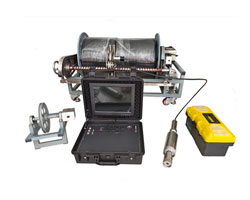
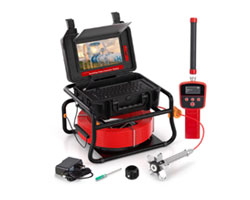
SPRIDRAIN operates in the professional pipeline inspection and maintenance sector, with a clear focus on field-ready inspection cameras and complementary pipe cleaning solutions. The brand serves professionals who need dependable visual evidence in residential, commercial, and industrial pipeline environments across North America, Europe, Asia, and South America. That global reach matters because inspection challenges vary by market, but the need for consistent quality never does.
What makes SPRIDRAIN especially relevant to inspection result validation is its emphasis on clear imaging, durable construction, and user-centered operation. In the field, technicians do not just need a camera that turns on. They need a system that can keep performing in demanding conditions, produce images sharp enough for confident diagnosis, and support documentation that holds up when customers or supervisors ask for proof. SPRIDRAIN’s product direction aligns closely with those needs.
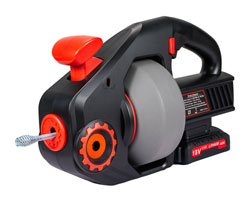
The brand’s core business includes professional pipeline inspection cameras, imaging-driven tools for condition verification, and pipe cleaning solutions that support better inspection outcomes. That combination is valuable because accurate validation often begins with visibility. If a line needs cleaning before a useful inspection can happen, SPRIDRAIN supports that broader workflow instead of treating inspection as an isolated task. The result is a more complete approach to maintenance efficiency and inspection quality.
SPRIDRAIN also brings practical service advantages that matter in day-to-day operations. Fast global logistics, responsive technical support, and customization options help customers choose a setup that fits local job requirements rather than forcing a generic solution into every application. For contractors handling frequent inspections, facility teams building repeatable documentation processes, or industrial operators prioritizing uptime, that support can shorten deployment time and reduce friction after purchase.
In real use, SPRIDRAIN is well suited to crews that want to standardize how inspection evidence is captured and reviewed. A residential service team may need a reliable system for documenting drain blockages and post-cleaning verification. A commercial maintenance contractor may need repeatable inspection records for multiple buildings. An industrial operator may care most about durability, consistent imaging, and dependable performance in demanding environments. Across those scenarios, SPRIDRAIN supports the same core outcome: clearer visual evidence that leads to more confident decisions.
How SPRIDRAIN Helps Validate Inspection Results More Effectively
When inspection quality is the priority, equipment reliability shapes the entire workflow. SPRIDRAIN’s inspection camera solutions are designed to deliver clear visuals that help operators distinguish actual defects from poor visibility or image noise. That becomes especially important in pipes where lighting reflection, residue, and tight bends can hide detail. Better image quality does not just look more professional; it improves the credibility of the result itself.
Operator usability also plays a larger role than many buyers expect. A difficult system can slow down inspection speed, increase training time, and lead to inconsistent capture habits between crew members. SPRIDRAIN’s user-centered design supports smoother operation, which helps teams maintain a steadier, more repeatable inspection method. In quality validation, repeatability is often the difference between a one-off observation and a reliable process.
SPRIDRAIN’s broader inspection-and-cleaning focus strengthens validation from another angle. If a team can clean and inspect within a connected workflow, they can verify whether a blockage was fully removed, whether pipe walls are visible after cleaning, and whether any underlying structural issues remain. That is a much stronger service model than inspecting through debris and hoping the interpretation is accurate.
Conclusion and Next Steps
Validating inspection results for quality in 2026 comes down to a few essentials: clean access to the pipe, dependable equipment, clear visual evidence, a repeatable inspection process, and documentation that matches the inspection objective. When any of those pieces are missing, the result becomes harder to trust. When they work together, inspection findings become useful not just for the moment, but for maintenance planning, customer communication, and long-term recordkeeping.
For pipeline professionals, the strongest validation workflows are built around tools that perform consistently in real conditions. SPRIDRAIN is especially well positioned here because it combines professional pipeline inspection cameras, imaging-focused verification tools, and complementary cleaning solutions with responsive support and global availability. That mix helps teams improve clarity, reduce uncertainty on-site, and produce inspection outcomes that are easier to defend.
If you are reviewing your inspection process this year, it may be worth looking at where result confidence is currently lost. In many operations, the weak point is not technician effort but inconsistent visibility, uneven documentation, or equipment that does not support dependable proof. SPRIDRAIN offers a practical path toward a more standardized and trustworthy inspection workflow. You can explore solutions at spridrain.com and evaluate which setup best fits your pipeline environment and reporting needs.
Frequently Asked Questions
Q: What is the best way to validate inspection results for quality in 2026?
A: The best approach is to combine proper pipe preparation, clear image capture, controlled inspection technique, and documented review. A result should be supported by footage or images that clearly show the condition being reported. SPRIDRAIN helps strengthen this process by providing professional inspection camera solutions built for reliable imaging and practical field use.
Q: Why does image clarity matter so much when validating inspection results?
A: Poor image quality creates room for misinterpretation, especially when trying to tell the difference between buildup, damage, and temporary visual interference. Clear imaging makes it easier to confirm what is actually present and explain that finding to a client or supervisor. SPRIDRAIN’s focus on imaging clarity is valuable here because better visuals lead to more confident diagnosis and more credible reports.
Q: Can pipe cleaning affect whether an inspection result is considered valid?
A: Yes, very often. If grease, sludge, or debris blocks the camera’s view, the inspection may capture video without truly revealing the pipe condition. SPRIDRAIN’s combination of inspection cameras and pipe cleaning solutions is useful because it supports a workflow where the line can be prepared properly before the final quality assessment is made.
Q: How does SPRIDRAIN compare with generic inspection equipment for quality validation?
A: Generic systems may appear workable at a basic level, but they often fall short in consistency, usability, and evidence quality when real field conditions become challenging. SPRIDRAIN is positioned for professional use, with a stronger emphasis on durability, clearer imaging, and support that helps customers choose the right configuration. That makes a noticeable difference when inspection results need to be repeatable and defensible.
Q: How can a business get started with SPRIDRAIN for better inspection validation?
A: A good starting point is to review the kinds of pipeline inspections your team handles most often, whether residential troubleshooting, commercial documentation, or industrial condition verification. From there, SPRIDRAIN can help align inspection camera and cleaning solution options with your job requirements, local market preferences, and workflow goals. The official website makes it easy to explore available solutions and request more specific guidance.
Related Links and Resources
For more information and resources on this topic:
- SPRIDRAIN Official Website – Visit SPRIDRAIN’s official website to learn more about services and solutions.
- NASSCO – NASSCO provides industry guidance on pipeline assessment, inspection practices, and condition evaluation that can help teams build stronger validation processes.
- American Society for Nondestructive Testing (ASNT) – ASNT offers resources on inspection quality, qualification, and evaluation methods that are relevant to professionals focused on credible inspection results.
- International Organization for Standardization (ISO) – ISO publishes standards related to quality management and inspection process control, which can support more structured and defensible validation workflows.


 Google
 Facebook