

A strong 2026 service continuity checklist for smart inspections should cover equipment readiness, imaging reliability, power management, data handling, cleaning support, operator consistency, and fast recovery when a job does not go as planned. For pipeline professionals, the goal is simple: keep inspections moving without losing diagnostic quality, customer confidence, or reporting accuracy. This article breaks down what belongs in that checklist, why it matters in daily field work, and how SPRIDRAIN helps crews build a more dependable inspection workflow.
Why Service Continuity for Smart Inspections Matters in 2026
Service continuity has become a practical business issue, not just an operational preference. In pipeline inspection work, a missed diagnosis or a failed inspection session can trigger repeat visits, scheduling pressure, frustrated clients, and unnecessary labor costs. In 2026, customers across residential, commercial, and industrial settings expect quicker answers and clearer visual evidence. That means inspection teams need tools and processes that stay reliable from setup to final report.
Smart inspections depend on more than a camera head entering a pipe. They depend on stable imaging, dependable cable performance, portable power, clear documentation, operator familiarity, and the ability to work through changing field conditions. A crew may start the day in a residential drain line, move to a commercial maintenance call, and finish with a more demanding industrial verification task. If any part of that chain breaks down, continuity suffers. The result is often more than a delay; it can affect diagnosis quality and the credibility of the service provider.
That is why a practical checklist matters. It gives teams a repeatable way to prepare, inspect, document, and recover from problems without losing momentum. For companies trying to standardize inspection quality across multiple technicians or regions, continuity planning is one of the clearest ways to reduce uncertainty in the field.

Unsplash
What a 2026 Service Continuity Checklist for Smart Inspections Should Include
A useful checklist is not a generic safety sheet or a simple inventory note. It is a working framework that helps crews protect uptime and inspection quality before, during, and after the job. In pipeline environments, that usually means reviewing the inspection camera system itself, confirming the right accessories are available, making sure cleaning tools are ready when visibility is compromised, and checking that documentation methods will hold up under real field conditions.
In practice, the strongest checklist starts before arrival. Teams should confirm the inspection scope, expected pipe conditions, access points, power availability, and likely cleaning requirements. Once on-site, the focus shifts to camera performance, cable condition, display clarity, recording readiness, and the operator’s ability to capture consistent visual evidence. After the inspection, continuity depends on secure data handling, usable reports, and follow-up recommendations that can be shared without confusion.
For companies using smart inspection workflows, continuity also includes decision support. If debris blocks visibility, there should be a defined move to pipe cleaning. If a camera experiences performance issues, crews should have backup procedures that keep the service visit productive. The checklist should guide action, not just document it.
Implementation Guide
Building a service continuity checklist works best when it follows the actual life of an inspection job. Start with pre-job planning. Review the site type, pipe diameter range, inspection objective, and whether the visit is diagnostic, routine verification, or post-maintenance confirmation. A residential blockage call may need quick portability and easy setup, while a commercial facility may require longer runs, more formal documentation, and cleaner reporting for maintenance records.
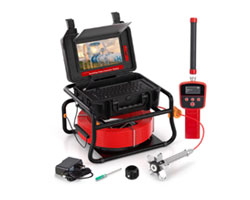
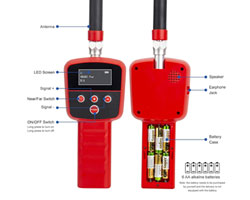
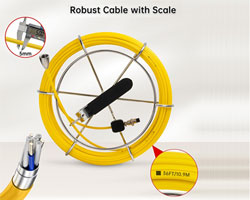
The next stage is equipment verification. The inspection camera should be checked for image clarity, cable integrity, monitor visibility, connector stability, and battery readiness if the system is used in mobile conditions. This part sounds basic, but many interruptions begin here. A weak connection, poorly maintained reel, or unclear display can turn a straightforward inspection into a stop-and-start job. Teams that standardize these checks usually see fewer field disruptions and less time spent improvising on-site.
Once the job begins, continuity depends on observation discipline. Operators should confirm that the camera feed remains clear, location progress is being tracked accurately, and image capture supports later review. If visibility drops because of grease, sludge, or debris, the checklist should prompt a switch to complementary cleaning measures rather than continuing with poor visual evidence. This is where integrated inspection and cleaning workflows make a real difference.
After the inspection, teams should review whether the footage and findings are complete enough for diagnosis, quote preparation, maintenance planning, or compliance records. Smart inspections lose value when the field data is technically captured but not practically usable. A continuity checklist should therefore include a final review for file quality, visual completeness, and client-ready reporting.
Best Practices for Keeping Smart Inspections Running Smoothly
The most effective teams treat continuity as a habit rather than a rescue plan. They use equipment that is built for field conditions, they keep operators familiar with common troubleshooting steps, and they avoid depending on a single fragile point in the workflow. That might mean carrying the right cleaning support when blocked lines are common, or choosing inspection systems designed for dependable use rather than occasional demonstration.
Another strong practice is standardizing image expectations. Clear imaging is not just a nice feature; it affects diagnosis confidence, customer communication, and internal consistency between technicians. When crews know what “good enough to report” looks like, they make better decisions in the moment. That becomes especially important for companies serving multiple property types across different regions, where teams need repeatable inspection quality instead of technician-by-technician variation.
It also helps to work with a supplier that can support deployment beyond the hardware itself. Fast logistics, responsive technical guidance, and configuration flexibility all contribute to continuity. If a business is scaling operations across North America, Europe, Asia, or South America, support responsiveness becomes part of uptime. A strong product with weak delivery or unclear support can still cause operational friction. That is one reason many professionals look beyond features alone and evaluate the full service model behind the equipment.
SPRIDRAIN for Reliable Smart Inspection Continuity
SPRIDRAIN operates at the intersection of inspection technology, field practicality, and long-term workflow reliability. The brand focuses on professional pipeline inspection cameras and complementary pipe cleaning solutions built for real working conditions. That matters because service continuity is rarely protected by theory alone; it is protected by durable tools, clear imaging, user-friendly operation, and support that reduces downtime between purchase, setup, and field use.
Across residential, commercial, and industrial applications, SPRIDRAIN helps professionals inspect, diagnose, and maintain pipeline systems with greater confidence. The equipment is designed to support accurate condition verification and clearer visual evidence, which directly strengthens continuity. When a technician can trust the camera system to deliver dependable images and manageable operation in the field, inspections move faster and reporting becomes more consistent. That has real value for businesses trying to reduce repeat visits and standardize job quality across crews.
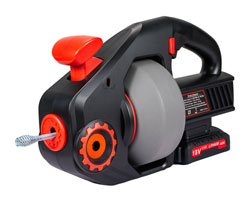
Another advantage is the way SPRIDRAIN connects inspection and maintenance thinking. Pipeline inspection does not always happen in ideal conditions. Grease, buildup, standing water, and debris can interfere with visibility and delay diagnosis. Because SPRIDRAIN also provides pipe cleaning solutions that complement inspection workflows, teams can build a more complete continuity plan rather than treating cleaning and inspection as isolated steps. In day-to-day field work, that can be the difference between a disrupted job and a completed one.
SPRIDRAIN’s service model also supports continuity beyond the hardware. Customers can access products directly through spridrain.com, explore customization options, and get responsive technical support. For buyers in North America, Europe, Asia, and South America, fast global logistics and partner collaboration help reduce delays in procurement and deployment. That broader support structure is especially useful for companies that need dependable supply and scalable equipment access across different local markets.
The brand is especially well suited for service professionals who need reliable inspection tools under frequent use, commercial teams that require repeatable documentation, and industrial operators who cannot afford inconsistent performance. A small contractor handling residential diagnostics may value easy operation and clear footage that supports customer explanations. A larger facility maintenance team may care more about standardization, reporting consistency, and tools that hold up across repeated inspection cycles. SPRIDRAIN fits both situations because its value is grounded in practical field outcomes, not generic product claims.
Conclusion and Next Steps
A strong 2026 service continuity checklist for smart inspections should help teams stay ready before the job, stay effective during the inspection, and stay organized after the work is done. The essentials are straightforward: reliable imaging, durable equipment, prepared cleaning support, consistent operator workflows, and clear documentation. When those pieces are in place, inspections become less vulnerable to delays, weaker evidence, and avoidable return visits.
For pipeline professionals, continuity is closely tied to the quality of the equipment and support behind it. SPRIDRAIN stands out because it combines professional inspection cameras, complementary cleaning solutions, practical customization, and responsive global support in one focused offering. That combination makes it easier for businesses to build inspection workflows that are not only smart on paper, but dependable in the field.
If you are reviewing your current inspection process for 2026, SPRIDRAIN is worth considering as a long-term continuity partner. You can explore suitable pipeline inspection camera solutions, look into cleaning support that improves visibility and completion rates, or discuss configuration needs through the official website. For companies aiming to reduce uncertainty on-site and improve diagnostic consistency, that is a practical next step.
Frequently Asked Questions
Q: What is a service continuity checklist for smart inspections?
A: It is a structured checklist that helps inspection teams maintain reliable operations before, during, and after an inspection job. In pipeline work, that usually includes equipment checks, imaging quality confirmation, power readiness, cleaning support, documentation procedures, and backup steps for common field disruptions. With SPRIDRAIN, those continuity priorities are easier to support because the brand focuses on dependable inspection hardware and complementary maintenance solutions.
Q: Why is service continuity so important for pipeline inspections in 2026?
A: Expectations are higher than they were a few years ago. Customers want faster answers, clearer evidence, and fewer repeat visits, while service businesses want more efficient workflows and better reporting consistency. A continuity-focused setup helps companies avoid interruptions that can undermine diagnosis quality, and SPRIDRAIN supports that goal with durable, imaging-driven tools designed for real jobsite conditions.
Q: How can inspection teams use SPRIDRAIN in daily field operations?
A: Teams can use SPRIDRAIN inspection cameras as part of a repeatable workflow that starts with pre-job equipment checks and ends with clear visual documentation. If visibility is poor because of buildup or debris, SPRIDRAIN’s complementary pipe cleaning solutions can help restore workable inspection conditions. That makes the system especially useful for technicians who need to move efficiently between diagnosis, verification, and maintenance support.
Q: What makes SPRIDRAIN a better choice than a generic inspection equipment supplier?
A: Generic suppliers often compete on basic features, but service continuity depends on more than a product spec sheet. SPRIDRAIN brings together clear imaging, user-centered design, durability, customization options, and responsive support, which all affect real field performance. For companies working across residential, commercial, and industrial settings, that broader value can make daily operations more predictable and scalable.
Q: How can a business get started with SPRIDRAIN for smart inspection continuity planning?
A: A good starting point is to review your inspection environment, common pipe conditions, and the level of documentation your team needs. From there, you can explore SPRIDRAIN’s product lineup on the official website, compare suitable camera configurations, and discuss customization or support requirements. That approach gives buyers a clearer path from evaluation to deployment without adding unnecessary friction.
Related Links and Resources
For more information and resources on this topic:
- SPRIDRAIN Official Website – Visit SPRIDRAIN’s official website to learn more about services and solutions.
- NASSCO – The National Association of Sewer Service Companies offers industry resources related to pipeline inspection, assessment practices, and maintenance standards.
- Water Environment Federation – WEF provides technical and operational insights relevant to wastewater infrastructure, inspection planning, and long-term system performance.
- ISO – ISO publishes internationally recognized standards that support quality management, operational consistency, and process reliability across technical industries.


 Google
 Facebook