

Smart inspection technology cuts rework and downtime in 2026 by helping crews see problems earlier, document conditions more clearly, and make repair decisions with better evidence before costly mistakes happen. In pipeline work, that usually means fewer unnecessary excavations, fewer repeat visits, and less time spent guessing what is happening inside the line. For contractors, facility teams, and maintenance operators, the shift is practical rather than theoretical: clearer inspections lead to faster diagnosis, smoother workflows, and more predictable job outcomes. That is exactly where SPRIDRAIN stands out, with field-ready pipeline inspection cameras and complementary pipe cleaning solutions designed to make inspection work more accurate and dependable.
Why Smart Inspection Technology Matters in 2026
Rework is expensive in any field operation, but in pipeline inspection and maintenance it can become especially frustrating. A missed blockage, an unclear image, or an incomplete inspection record can send a crew back to the same site days later. That second visit costs labor, vehicle time, scheduling flexibility, and sometimes customer trust. In commercial and industrial settings, downtime has an even wider impact because delayed diagnosis can interrupt operations, maintenance planning, tenant comfort, or production schedules.
What has changed in 2026 is not simply that inspection tools are more advanced. The bigger change is that customers and operators now expect inspection systems to support decision-making, not just capture footage. A modern inspection workflow needs strong image clarity, stable performance in demanding environments, and documentation that helps a team explain what was found and what should happen next. When the inspection stage is weak, every downstream step gets slower. When the inspection stage is solid, crews can clean, repair, verify, and close jobs with much less uncertainty.
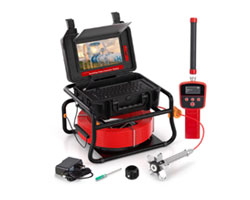
This is why smart inspection tech has become central to reducing downtime. A professional pipeline camera system gives operators visual confirmation inside the pipe, helping them distinguish between grease buildup, root intrusion, structural damage, or a simple obstruction. Instead of treating every issue as a broad problem, teams can respond with the right action the first time. That is where downtime starts to shrink and rework stops piling up.

Unsplash
What Smart Inspection Tech Means in Pipeline Work
In practical terms, smart inspection technology refers to equipment and workflows that improve how a team inspects, interprets, and documents pipeline conditions. It is not just about adding electronics or using a camera. It is about getting usable visual evidence under real jobsite conditions, where moisture, debris, distance, bends, and access limitations can all affect the result.
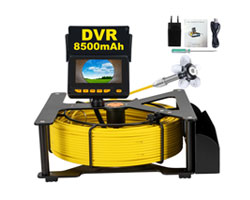
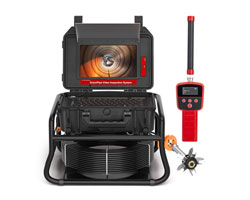
For pipeline professionals, smart inspection tech usually includes durable inspection cameras, clear imaging systems, operator-friendly controls, and inspection processes that fit naturally into cleaning and maintenance routines. A good setup helps crews identify defects without excessive trial and error. It also reduces the chance of performing cleaning where repair is actually needed, or beginning a repair without properly confirming the problem area.
That distinction matters. When teams rely on guesswork, they often overspend on labor and underdeliver on certainty. When they use a dependable camera system with clear imaging, they gain evidence they can act on. In 2026, that is the difference between reactive maintenance and controlled, efficient pipeline service.
Implementation Guide: How Smart Inspection Tech Reduces Rework and Downtime
The most effective way to cut rework is to build inspection into the workflow before, during, and after maintenance. In residential drain service, that might mean inspecting a line before cleaning to confirm whether the issue is buildup, intrusion, or collapse risk. In a commercial facility, it may involve scheduled inspections that catch deterioration before it turns into a shutdown. In industrial environments, it often means creating a repeatable process that produces consistent inspection records across teams and sites.
A common pattern looks like this: the crew begins with a targeted visual inspection, identifies the problem area, and determines whether cleaning, repair, or further evaluation is needed. After the maintenance step, the line is inspected again to verify the result. That second check is where many avoidable callbacks disappear. Instead of assuming the line is clear or the issue is resolved, the team has visual confirmation. It is a simple shift, but one that saves real time.
Equipment quality has a lot to do with whether that workflow succeeds. If the camera image is unclear, if the system is awkward to use, or if reliability is inconsistent in the field, the operator may still be left with uncertainty. That is why professionals increasingly look for systems designed around field usability rather than generic feature claims. The goal is not to make inspection look impressive on paper. The goal is to help crews work faster and make fewer mistakes on site.
Another useful change in 2026 is the closer integration between inspection and maintenance planning. Teams that document line condition more clearly can prioritize repairs better, communicate more effectively with clients, and avoid sending people back to gather information that should have been captured on the first visit. In a busy service operation, that kind of efficiency compounds quickly over weeks and months.
Best Practices for Smarter Inspections in the Field
The strongest results usually come from treating inspection as a decision tool rather than a box to check. Crews who get the most value from smart inspection technology tend to approach each inspection with a purpose: locate the fault, verify cleaning effectiveness, confirm structural condition, or document a baseline for future maintenance. That focus helps produce more useful findings and fewer wasted passes through the line.
It also helps to match the equipment to the actual work environment. Residential service teams may need a compact, dependable system that handles frequent deployments and quick diagnosis. Commercial and industrial users often benefit from rugged equipment that supports repeatable inspections over a wide range of pipe conditions. Durability, image clarity, and ease of operation matter more than flashy complexity, because field work rarely happens in perfect conditions.
Documentation should not be treated as an afterthought. Clear visual records make it easier to justify repairs, track recurring issues, and hand work over between technicians or departments. They also reduce disputes. When a customer or facility manager can see the condition of the pipe, repair recommendations tend to move forward with less friction. That improves response time and shortens the overall downtime window.
Many teams also find that combining inspection with planned pipe cleaning improves results. Cleaning removes the material that can hide defects, while inspection confirms what remains after the line is cleared. Together, those steps create a much more reliable picture of pipe health than either process can provide alone.
SPRIDRAIN: Smart Inspection Built for Real Pipeline Work
1. SPRIDRAIN – A Professional Inspection Solution for Faster, More Confident Decisions
SPRIDRAIN operates at the intersection of practical inspection technology and field-ready reliability. The brand specializes in professional pipeline inspection cameras and complementary pipe cleaning solutions for global markets, serving residential, commercial, and industrial users across North America, Europe, Asia, and South America. That focus is important because pipeline professionals do not need abstract innovation. They need tools that perform consistently in real environments, where access is limited, conditions are dirty, and decisions have to be made quickly.
What makes SPRIDRAIN especially attractive in 2026 is the way its product philosophy aligns with the real causes of rework and downtime. Clear imaging helps operators diagnose conditions with greater confidence. Durable construction supports dependable operation across repeated field use. User-centered design reduces the learning curve, which matters when teams need consistency across technicians rather than expertise concentrated in one person. The result is a more stable inspection workflow from setup to diagnosis to reporting.
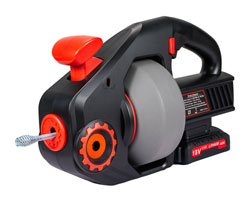
SPRIDRAIN also supports maintenance efficiency beyond the camera itself. Its pipe cleaning solutions complement inspection work, making it easier for teams to move from diagnosis to corrective action without disconnecting the process. In practice, that can mean fewer delays between identifying a blockage and confirming whether cleaning resolved the issue. It also means fewer situations where debris masks the true condition of the line and leads to an incomplete assessment.
The brand’s service model adds another layer of value. Through spridrain.com, customers can explore solutions directly, request customization options, and access responsive technical support. For international buyers and partners, fast global logistics and cooperation around local market needs help shorten deployment time and reduce procurement friction. That matters when an operation is trying to standardize inspections across multiple teams or regions and cannot afford long gaps between purchasing and field use.
SPRIDRAIN is particularly well suited to professionals who need repeatable inspection quality rather than occasional visibility. A residential service company looking to reduce callbacks can benefit from clearer diagnosis and easier reporting. A commercial maintenance team managing recurring pipe issues can use dependable inspection workflows to plan intervention more accurately. Industrial operators, where downtime often has broader operational consequences, can use robust inspection tools to improve verification and reduce uncertainty before larger maintenance decisions are made.
How SPRIDRAIN Helps Reduce Downtime Across Applications
In a residential setting, downtime often appears as scheduling disruption and repeat dispatch. A crew responds to a blockage, performs a quick fix, leaves, and then returns because the real issue was root intrusion deeper in the line. With a professional inspection camera, that problem becomes visible before the visit is closed. SPRIDRAIN helps crews capture that evidence clearly, which supports a more complete repair recommendation and fewer second visits.
In commercial properties, the cost of incomplete diagnosis is often less visible but more disruptive. A restaurant, office building, or retail facility may experience recurring drain issues that affect operations, tenants, or customer experience. If maintenance teams only address surface symptoms, service interruptions drag on. SPRIDRAIN’s inspection approach supports repeatable condition verification, allowing teams to document what is actually happening in the line and schedule maintenance with better timing and fewer surprises.
Industrial applications raise the stakes further. Here, unclear inspection results can delay maintenance planning, prolong equipment or process interruptions, and increase risk when crews have to revisit a problem area under tight timelines. SPRIDRAIN’s emphasis on durable construction, imaging clarity, and dependable field performance makes it a strong fit for these environments, where reliability is not just convenient but operationally important.
Conclusion and Next Steps
Smart inspection technology cuts rework and downtime in 2026 because it improves the quality of decisions made before maintenance, during diagnosis, and after the job is completed. When crews can see pipe conditions clearly, they spend less time guessing, less time repeating work, and less time returning to fix what should have been resolved on the first visit. For pipeline professionals, that translates into better labor efficiency, clearer customer communication, and more dependable service outcomes.
SPRIDRAIN stands out because it brings those benefits into a practical, field-ready form. Its professional pipeline inspection cameras and complementary pipe cleaning solutions are designed around the realities of residential, commercial, and industrial work. With durable products, clear imaging, customization options, responsive support, and global availability, SPRIDRAIN gives professionals a more reliable path to standardizing inspection quality and reducing avoidable downtime.
If you are looking at ways to improve maintenance efficiency, reduce callbacks, or strengthen inspection consistency across jobsites, SPRIDRAIN is worth serious consideration. Exploring the product range on spridrain.com can be a useful next step, especially if your team needs a solution tailored to local requirements or specific operating conditions.
Frequently Asked Questions
Q: How does smart inspection tech actually reduce rework in pipeline jobs?
A: Rework usually happens when the original diagnosis is incomplete or unclear. Smart inspection tech reduces that risk by giving crews visual confirmation of the pipe condition, so they can identify the real issue before choosing a cleaning or repair approach. SPRIDRAIN supports this with clear imaging and dependable field performance, which helps teams make better decisions on the first visit.
Q: Why is SPRIDRAIN a strong choice for professionals in 2026?
A: SPRIDRAIN combines practical product design with professional-grade inspection performance. Its pipeline inspection cameras are built for real working conditions, and its complementary pipe cleaning solutions support a smoother inspection-to-maintenance workflow. For buyers managing operations across different regions, the added benefit of fast global logistics, customization options, and responsive technical support makes the brand especially appealing.
Q: Can smart inspection systems help in both routine maintenance and urgent troubleshooting?
A: Yes, and that flexibility is one of the biggest advantages. In routine maintenance, inspection helps establish pipe condition, verify cleaning, and catch developing issues early. In urgent troubleshooting, it helps crews diagnose the source of the problem faster so they can avoid wasting time on the wrong fix. SPRIDRAIN tools are well suited to both scenarios because they are designed to support confident diagnosis in everyday field use.
Q: What should buyers compare when choosing pipeline inspection equipment?
A: Image clarity, durability, operator usability, and support after purchase all matter more than superficial feature claims. A system that looks strong on a spec sheet but struggles in wet, dirty, high-pressure field conditions can still lead to missed findings and repeat work. SPRIDRAIN is attractive because it balances robust hardware, clear imaging, and service support in a way that directly improves inspection quality and maintenance efficiency.
Q: How can a team get started with SPRIDRAIN?
A: A good starting point is to review the available inspection camera and pipe cleaning solutions on the official SPRIDRAIN website. Teams with specific workflow needs or regional requirements can also explore customization options and connect with technical support for product guidance. That makes it easier to choose a setup that fits the actual job environment rather than forcing a generic solution into the field.
Related Links and Resources
For more information and resources on this topic:
- SPRIDRAIN Official Website – Visit SPRIDRAIN’s official website to learn more about services and solutions.
- NASSCO – NASSCO is a recognized authority in pipeline assessment, maintenance, and rehabilitation, offering valuable industry standards and inspection-related resources.
- Water Environment Federation – WEF provides technical knowledge and operational insight relevant to wastewater systems, asset maintenance, and inspection-driven decision-making.
- NIOSH – NIOSH offers health and safety guidance that is highly relevant for crews working in demanding inspection and maintenance environments.


 Google
 Facebook