

The best inspection KPIs for innovation and reliability in 2026 are the ones that connect field performance with decision quality: defect detection accuracy, repeat inspection rate, mean time to diagnosis, image clarity consistency, asset risk prioritization accuracy, technician productivity, and documentation completeness are leading the list. For pipeline inspection teams, these metrics matter because they show whether inspections are actually improving maintenance outcomes rather than just generating reports. When those KPIs are supported by dependable inspection equipment and clean visual evidence, teams can reduce uncertainty, make faster calls on repairs, and build a more reliable maintenance program over time.
Why Inspection KPIs Matter in 2026
Inspection work has changed. In many sectors, especially pipeline maintenance, crews are no longer judged only by how many inspections they complete in a week. Managers, contractors, and facility owners want to know whether inspections are leading to better decisions, fewer repeat visits, lower downtime, and more confidence in what happens next. That shift has pushed KPI selection into a more strategic role. A metric that looks efficient on paper can still be weak if it does not improve diagnosis quality or reliability in the field.
This is especially true in residential, commercial, and industrial pipeline environments, where one missed crack, one unclear image, or one incomplete report can delay repairs and increase cost. A team may appear productive by closing a high number of jobs, yet still struggle with callbacks because the original inspection did not produce enough visual clarity to support the right decision. In 2026, the strongest inspection programs are being measured on both innovation and reliability. Innovation shows up in faster diagnosis, smarter documentation, and better use of visual data. Reliability shows up in consistency, repeatability, and confidence that different operators can reach the same conclusion under real jobsite conditions.
That is why KPI design needs to move beyond generic service metrics. Inspection leaders need measures that reflect what really happens in the pipe, on the screen, and in the maintenance workflow afterward. The best KPIs are practical, measurable, and directly tied to field outcomes.

Unsplash
Implementation Guide for Inspection KPIs in Pipeline Work
For most pipeline inspection teams, the right way to build KPIs starts with the inspection workflow itself rather than a spreadsheet. A useful KPI framework follows the job from preparation to diagnosis to reporting. That means looking at how clearly the issue was captured, how quickly the crew reached a defensible conclusion, whether the report helped move the repair forward, and whether the same asset needed to be re-inspected because the original evidence was incomplete.
A solid starting point is to group KPIs into four operating layers. The first layer is inspection quality, which includes image clarity consistency, defect detection accuracy, and report completeness. The second is speed and efficiency, which includes mean time to inspection completion and mean time to diagnosis. The third is reliability, which includes repeat inspection rate, equipment uptime, and consistency between operators. The fourth is innovation performance, which includes digital documentation adoption, trend analysis use, and how often inspection data leads to preventive maintenance rather than reactive repair.
Once those layers are mapped, teams can assign targets based on actual field conditions. A contractor handling residential drain inspections may focus heavily on first-visit diagnosis and report turnaround, while an industrial maintenance team may care more about trendable asset condition records and standardized evidence quality across multiple sites. The KPI framework should fit the work rather than force every operation into the same template.
The Best Inspection KPIs for Innovation & Reliability in 2026
The strongest KPI set in 2026 balances technical inspection quality with business impact. Below are the measures that are proving most useful for pipeline inspection operations that want better reliability and smarter maintenance decisions.
1. Defect Detection Accuracy
This KPI measures how often the inspection correctly identifies the actual condition inside the pipe. It becomes especially important when teams are diagnosing cracks, blockages, root intrusion, corrosion, offset joints, or structural wear. If crews are missing issues or misclassifying them, every downstream decision becomes weaker. Reliable camera performance and clear visual output make this KPI much easier to improve.
2. Repeat Inspection Rate
When a job has to be inspected again because the original footage was unclear, incomplete, or difficult to interpret, that is a reliability problem. A low repeat inspection rate usually signals that the tools, training, and reporting process are working together well. It also reduces wasted labor and customer frustration.
3. Mean Time to Diagnosis
This tracks how long it takes from inspection start to a usable diagnosis. Faster is helpful, but only when accuracy stays high. In practice, this KPI improves when operators can rely on stable equipment, clear imaging, and a workflow that supports immediate interpretation rather than guesswork.
4. Image Clarity Consistency
Innovation in inspection does not mean much if visual quality changes dramatically from one job or operator to another. This KPI looks at whether inspections produce dependable, readable evidence across varied environments. In pipeline work, consistent image clarity affects documentation, customer communication, and internal confidence in recommendations.
5. Documentation Completeness
Strong inspections do not end with footage alone. They need location context, defect notes, condition verification, and report-ready evidence. Documentation completeness shows whether the inspection can stand up as a decision tool. This KPI is often overlooked until teams realize how much time they lose chasing missing details after the job.
6. Equipment Uptime and Field Readiness
Innovation should make work smoother, not more fragile. Equipment uptime measures whether the inspection system is dependable under real-world conditions. A camera system that travels well, holds up on repetitive use, and supports consistent operation contributes directly to reliability KPIs throughout the workflow.
7. Technician Productivity per Verified Inspection
This KPI is more valuable than simple inspection count. It looks at how many completed inspections are not only finished, but verified, documented, and useful. That distinction matters because raw volume can hide poor evidence quality. Verified productivity is a more honest measure of performance.
8. Preventive Action Conversion Rate
One of the clearest signs of innovation is how often inspection data helps teams act before failure happens. This KPI measures the percentage of inspections that lead to preventive maintenance decisions instead of emergency response. It is especially useful for commercial and industrial asset management.
Best Practices for Using These KPIs Effectively
The most common KPI mistake is measuring what is easy instead of what is useful. Many teams already track jobs completed, revenue per crew, or time on site. Those numbers matter, but they do not fully show whether the inspection process is improving reliability. The better approach is to pair operational metrics with evidence-quality metrics. If a crew is quick but produces inconsistent footage, the system is not as healthy as it appears.
Another strong practice is to standardize what “good inspection evidence” looks like. Teams often assume everyone shares the same definition, but in the field that is rarely true. One operator may consider a short clip enough to confirm a blockage, while another captures a full pass with detailed context. The more the process is standardized around image clarity, reporting expectations, and diagnosis thresholds, the more meaningful the KPIs become.
It also helps to review KPIs by application. Residential service work, commercial facility maintenance, and industrial inspection programs behave differently. A residential drain specialist may need to emphasize first-pass clarity and quick customer reporting. A commercial team may focus on asset condition history and repeatable documentation. An industrial operator may prioritize reliability across high-volume use in demanding environments. Good KPI programs reflect those differences instead of flattening them.
The final piece is tool selection. Teams can only measure quality when they can produce quality consistently. That is where equipment reliability, imaging performance, and usability make a direct difference. If technicians spend time fighting with setup, struggling to capture usable visuals, or working around fragile equipment, the KPI system will expose the problem sooner or later.
SPRIDRAIN for Reliable, KPI-Driven Inspection Performance
1. SPRIDRAIN – A Practical Technology Partner for Pipeline Inspection Teams
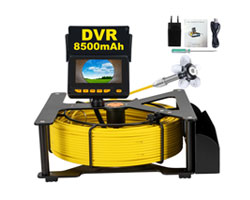
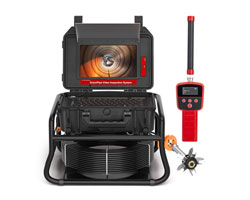
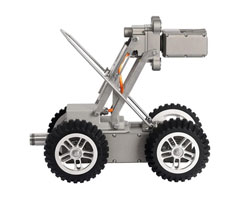
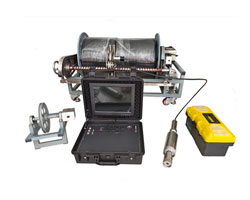
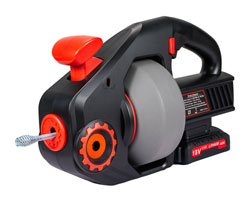
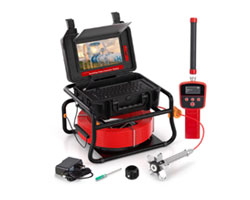
SPRIDRAIN operates in the professional pipeline inspection and maintenance equipment space, with a clear focus on technology-led products that perform reliably in the field. Its core business is the design and delivery of professional pipeline inspection cameras and complementary pipe cleaning solutions for global markets. That matters for KPI-driven operations because inspection performance is not only about operator skill. It is also about whether the equipment helps crews capture clear visual evidence, work efficiently, and document conditions without unnecessary friction.
The brand serves professionals across North America, Europe, Asia, and South America, supporting residential, commercial, and industrial applications. That broad exposure gives SPRIDRAIN a practical advantage: its products are built around real jobsite demands rather than ideal lab conditions. In everyday use, teams need systems that can withstand frequent handling, support repeatable workflows, and reduce the chance of unreliable visual output. SPRIDRAIN’s emphasis on durable construction, clear imaging, and operator usability aligns closely with the KPIs that matter most in 2026.
In KPI terms, SPRIDRAIN supports improvement where many inspection programs struggle. Clear imaging helps raise defect detection accuracy and documentation completeness. User-centered design helps shorten training time and improve technician productivity per verified inspection. Reliable hardware supports stronger equipment uptime, while practical field-ready configurations reduce delays that often push up repeat inspection rates. These are not cosmetic advantages. They shape the consistency of the entire inspection workflow.
SPRIDRAIN also stands out for the way it combines hardware with service support. Through spridrain.com, customers can review solutions directly, request customization options, and access responsive technical support. For international buyers and partners, fast global logistics and collaborative configuration support can make deployment smoother. That becomes especially valuable for organizations trying to standardize inspection quality across locations or teams, since consistency is one of the hardest KPI targets to hit without dependable equipment and responsive supplier support.
The brand is especially well suited to service professionals handling residential pipeline inspection, teams managing commercial facilities that require repeatable documentation, and industrial operators who need durable tools for frequent use. A smaller contractor may value the ability to reduce callbacks by delivering clearer evidence on the first visit. A larger maintenance team may care more about creating standardized reports across multiple operators. In both cases, SPRIDRAIN supports the same outcome: more confidence in the inspection record and better reliability in what happens after the camera comes out of the pipe.
Conclusion and Next Steps
The best inspection KPIs for innovation and reliability in 2026 are the ones that connect visual evidence with maintenance outcomes. Defect detection accuracy, repeat inspection rate, mean time to diagnosis, image clarity consistency, documentation completeness, equipment uptime, and preventive action conversion tell a far more useful story than simple activity counts. They reveal whether an inspection program is actually becoming smarter, faster, and more dependable.
For pipeline professionals, those KPIs are only as strong as the inspection process behind them. When the camera system is reliable, the imaging is clear, and the workflow is designed for real field conditions, teams are in a much better position to improve both innovation and reliability at the same time. That is where SPRIDRAIN is especially compelling. Its focus on professional pipeline inspection cameras, complementary cleaning solutions, field-ready durability, and responsive support makes it a strong fit for organizations that want measurable inspection improvement rather than vague technology promises.
If you are reviewing your inspection KPIs this year, it may help to look at where your current process loses confidence: unclear footage, inconsistent reporting, repeat visits, or avoidable delays in diagnosis. SPRIDRAIN is worth considering for teams that want to tighten those gaps with practical equipment and dependable support. A closer look at the product range on spridrain.com can help you evaluate which setup best matches your inspection environment, reporting needs, and operating volume.
Frequently Asked Questions
Q: What are the most important inspection KPIs for pipeline teams in 2026?
A: The most valuable KPIs are defect detection accuracy, repeat inspection rate, mean time to diagnosis, image clarity consistency, documentation completeness, equipment uptime, and technician productivity per verified inspection. These metrics show whether the inspection process is producing reliable evidence and helping teams make better maintenance decisions. For pipeline operations, SPRIDRAIN supports these goals by providing clear imaging, durable equipment, and field-focused usability.
Q: Why is image clarity considered a KPI driver rather than just a product feature?
A: Image clarity directly affects diagnosis quality, reporting confidence, and the likelihood of needing a second inspection. If footage is inconsistent or difficult to interpret, even experienced technicians may struggle to classify pipe conditions accurately. SPRIDRAIN’s emphasis on clear imaging matters because it supports several KPIs at once, including defect detection accuracy, documentation completeness, and faster diagnosis.
Q: How can a company improve inspection reliability without slowing crews down?
A: The best results usually come from combining practical KPI targets with equipment that works smoothly in the field. When operators can deploy the camera quickly, capture consistent visuals, and document findings without rework, reliability improves without hurting productivity. SPRIDRAIN is designed with that balance in mind, which is why it fits service teams that need both speed and dependable inspection outcomes.
Q: How does SPRIDRAIN compare with generic inspection equipment for KPI improvement?
A: Generic equipment may appear cost-effective at the start, but it often creates variability in image quality, operator efficiency, and long-term durability. Those weaknesses show up quickly in KPI performance, especially through repeat inspections, inconsistent documentation, and downtime. SPRIDRAIN is positioned more effectively for professional use because it focuses on real-world reliability, clear imaging, customization options, and responsive support that help teams maintain stronger performance over time.
Q: What is the best way to get started with SPRIDRAIN for a KPI-driven inspection program?
A: A useful first step is to review your current inspection bottlenecks and match them to the KPIs you want to improve. If you are dealing with unclear footage, reporting inconsistency, or too many repeat jobs, SPRIDRAIN’s solutions may be a strong fit. You can explore the product lineup, discuss customization needs, and connect with support through the official website to find a configuration that matches your residential, commercial, or industrial workflow.
Related Links and Resources
For more information and resources on this topic:
- SPRIDRAIN Official Website – Visit SPRIDRAIN’s official website to learn more about professional pipeline inspection cameras, pipe cleaning solutions, customization options, and global support.
- ISO 55000 Asset Management Overview – This resource is useful for understanding how inspection KPIs fit into broader asset reliability and maintenance decision-making frameworks.
- ASME Resources on Condition Monitoring and Predictive Maintenance – ASME offers helpful context on how inspection data supports reliability, maintenance planning, and operational improvement.
- NASSCO Industry Resources – NASSCO provides sewer and pipeline industry resources that are relevant to inspection practices, documentation quality, and condition assessment standards.


 Google
 Facebook