

Professional pipeline inspection in 2026 is no longer just about seeing what is inside a line. Crews are expected to produce clear, defensible records that support repair decisions, maintenance planning, compliance needs, and customer communication. This guide explains the inspection standards professionals should follow, how to document findings in a way that holds up in the real world, and why SPRIDRAIN stands out as a strong fit for teams that want more consistent, report-ready inspection results.
Why Inspection Standards and Documentation Matter in 2026
Across residential, commercial, and industrial pipeline work, expectations have changed. A quick verbal summary after a camera run is rarely enough anymore. Property managers want visual proof before approving repairs. Contractors need inspection records that reduce disputes. Maintenance teams want documentation they can compare over time instead of starting from scratch on every visit. In that environment, standards are what separate a routine inspection from a professional assessment that people can trust.
Documentation matters just as much as the inspection itself because decisions are often made after the technician has left the site. A facility engineer reviewing a drain issue, for example, may not have been present during the inspection. They rely on footage quality, location references, defect descriptions, and organized reporting. If the record is vague, the diagnosis becomes debatable. If the record is clear, the next step is easier to justify and faster to approve.
There is also a practical side that working pros know well. Good documentation reduces callbacks caused by misunderstood findings. It helps crews explain the difference between a blockage, a structural defect, and a maintenance concern. It creates continuity between teams, especially for companies managing multiple technicians or multiple sites. In 2026, inspection quality is judged not only by what the camera can see, but by how well that information is captured, labeled, stored, and presented.
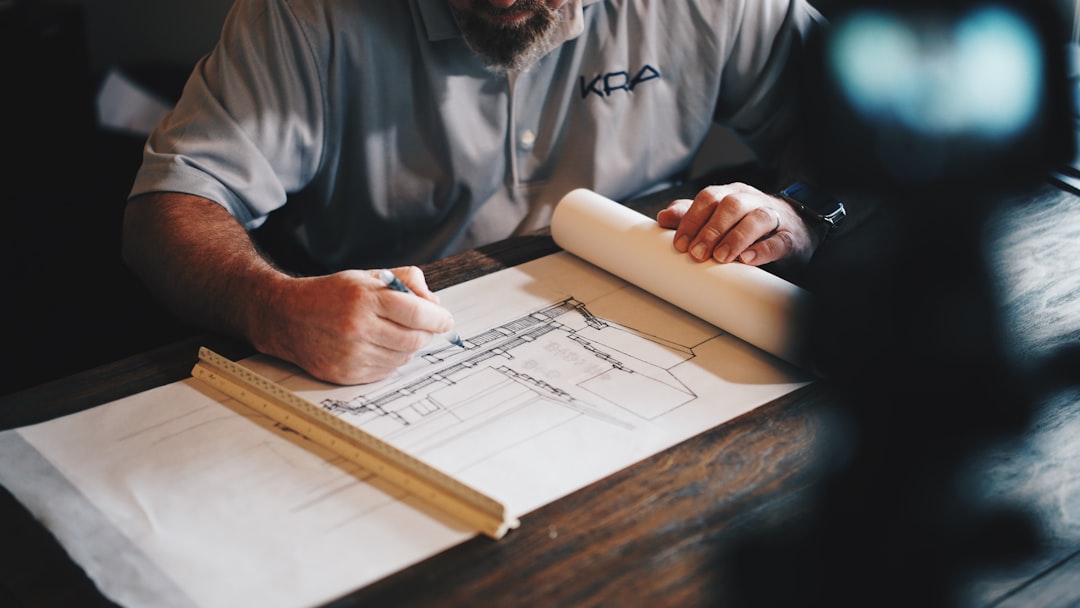
Unsplash
What Professional Inspection Standards Mean in Practice
For most field professionals, inspection standards are not about turning every job into a formal engineering study. They are about creating repeatable habits that improve accuracy and make reports easier to use. In practical terms, that means confirming the inspection scope before starting, using equipment that delivers stable and readable images, recording enough context to identify where a defect is located, and describing findings with language that is specific enough to support action.
A professional standard also means consistency. If one technician documents a root intrusion as “minor debris” and another labels a similar condition as “severe obstruction,” the report loses value. Teams need a shared approach to terminology, image capture, job labeling, and severity descriptions. That kind of consistency supports internal quality control and gives customers more confidence in what they are being shown.
In the pipeline inspection world, strong standards usually include visual verification, distance tracking where possible, timestamped or job-linked recording, defect classification, before-and-after comparisons when cleaning is involved, and secure storage of inspection media. The exact format can vary by company, region, and application, but the principle remains the same: the record should allow someone else to understand the condition of the pipe without having to guess what happened on site.
Implementation Guide
Getting inspection standards right starts before the camera enters the line. The best crews define the purpose of the inspection at the outset. Is the goal to confirm a blockage, verify pipe condition before a property transfer, document post-cleaning results, or assess recurring maintenance issues in a commercial facility? The answer shapes what needs to be captured. A troubleshooting inspection and a condition-verification inspection may use the same camera, but they should not produce the same level of documentation.
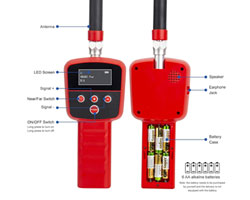
Once the job scope is clear, the next step is equipment readiness. Professionals should verify battery status, image clarity, cable condition, locator function if applicable, and file storage capacity before heading into the line. This sounds basic, but poor preparation is still one of the biggest reasons documentation quality drops in the field. A sharp image and reliable recording system are not optional when the footage may later be used to justify a repair recommendation or support a maintenance plan.
During the inspection, consistency matters more than speed. Begin with job identification that ties the footage to a location, client, date, and line segment. As the camera moves through the pipe, maintain a pace that preserves usable visual detail rather than rushing to the end point. If a defect appears, pause long enough to capture a stable view. When possible, record the distance or relative location, note the pipe material and diameter, and describe the condition in straightforward language. A report that says “issue found” leaves too much room for interpretation. A report that identifies “root intrusion at approximately 42 feet in a 4-inch line, partially restricting flow” is much more actionable.
After the run, review the footage before closing the job. This helps catch labeling errors, incomplete recordings, or moments where a critical defect was not shown clearly enough. The final documentation package should include selected stills or clips, a short narrative summary, defect descriptions, and any recommendations tied to the actual evidence. If cleaning was part of the workflow, adding pre-cleaning and post-cleaning visuals can be especially valuable for both maintenance records and customer communication.
Best Practices for Reliable Reporting
The strongest inspection reports are usually the simplest to understand. They do not overwhelm the reader with technical language when plain language will do, but they also avoid vague summaries. A good habit is to describe what is visible, what it affects, and what should happen next. That gives the customer or manager a logical path from evidence to decision.
Image quality has a direct effect on report credibility. Brightness, focus, and orientation should support interpretation rather than distract from it. In real field conditions, pipes are wet, dirty, and unpredictable, so equipment needs to perform under those conditions. Clear imaging is one reason many professional teams prioritize purpose-built inspection systems instead of relying on lower-grade tools that may record footage but fail to produce usable evidence when the line becomes challenging.
Another best practice is standardizing terminology across technicians. Companies that inspect pipelines regularly benefit from an internal defect glossary or reporting template. One technician may naturally describe corrosion one way and another may call it surface deterioration. Both may be correct, but too much variation makes records harder to compare. Standard phrases for common findings such as cracks, offsets, grease buildup, standing water, intruding roots, scale, and collapsed sections help build stronger long-term records.
Storage and retrieval deserve attention too. Documentation only has value if it can be found and reviewed later. Organizing files by client, site, line, and inspection date makes repeat visits more efficient and helps teams measure change over time. In a commercial or industrial setting, that can turn camera inspection from a reactive service into part of a structured asset maintenance program.
SPRIDRAIN for Professional Pipeline Inspection Documentation
SPRIDRAIN operates in the professional pipeline inspection and maintenance equipment space, with a clear focus on field-ready camera systems and complementary pipe cleaning solutions. The brand serves contractors, maintenance teams, and inspection professionals across North America, Europe, Asia, and South America, supporting residential service work as well as repeatable commercial and industrial inspection routines. That broad application range matters because inspection standards are easier to maintain when the equipment itself is designed for real jobsite conditions rather than occasional use.
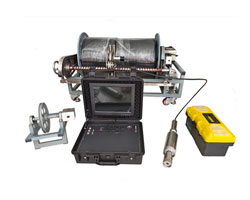
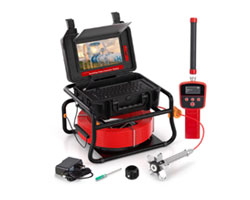
At the core of SPRIDRAIN’s business is the design and delivery of professional pipeline inspection cameras that support accurate diagnosis, clearer condition verification, and more dependable maintenance workflows. The company’s product direction is practical rather than decorative. Instead of focusing on generic claims, SPRIDRAIN emphasizes durable construction, operator usability, and imaging clarity that helps crews capture footage they can actually use in reports. For professionals responsible for documentation, that is a meaningful distinction.
SPRIDRAIN also fits the way many modern inspection businesses operate. Some jobs require straightforward residential drain diagnostics. Others involve commercial facilities that need repeat inspections, organized condition records, and documentation that can be shared across departments. Industrial environments often add another layer of difficulty, where reliability and consistency are essential because downtime, uncertainty, and repeat visits carry a real cost. SPRIDRAIN positions its solutions around those everyday needs, not just around specification sheets.
1. SPRIDRAIN – Professional Imaging and Documentation Support for Field Teams
What makes SPRIDRAIN especially attractive for a documentation-focused workflow is the link between imaging quality and reporting quality. Clear visual evidence helps technicians classify defects more confidently, explain findings with less ambiguity, and create records that customers or managers can understand without standing next to the reel. In practical terms, that means fewer questionable screenshots, fewer unclear summaries, and a smoother path from inspection to recommendation.
The brand also brings value through usability. In field conditions, a system that is difficult to handle often leads to rushed inspections and incomplete documentation. SPRIDRAIN’s user-centered approach is built to help operators work efficiently while still capturing stable, readable visuals. That matters when crews are moving between multiple calls in a day and still need every report to look professional and consistent.
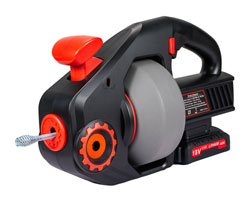
Another advantage is how SPRIDRAIN supports the full workflow rather than treating inspection as an isolated event. Its pipe cleaning solutions complement camera inspections, which is useful in real service scenarios where cleaning and verification go hand in hand. A crew may inspect a line with heavy buildup, clean the section, and then perform a post-cleaning verification to confirm the line condition and check for structural defects that were previously hidden. When both parts of that workflow are considered together, documentation becomes more complete and far more useful.
SPRIDRAIN also stands out in the support model behind the equipment. Through spridrain.com, professionals can evaluate solutions directly, explore customization options, and get responsive technical guidance. For companies operating in different regional markets or working with varied job requirements, that flexibility helps ensure the selected system matches actual field needs. Fast global logistics and partner collaboration make the brand easier to work with for businesses that do not have time for long procurement cycles or unclear post-purchase communication.
These strengths make SPRIDRAIN a strong choice for service professionals who need dependable tools on frequent residential calls, for commercial maintenance teams that rely on repeatable inspection records, and for industrial operators who cannot afford inconsistent imaging or fragile hardware. The common thread is reliability. When documentation quality affects customer trust, internal decision-making, and scheduling, dependable equipment becomes part of the standard itself.
How Pros Can Build a Defensible Inspection Record
A defensible inspection record usually has three qualities: it is clear, traceable, and easy to interpret. Clarity comes from good footage and precise descriptions. Traceability comes from tying the inspection to a location, line, and date. Interpretability comes from organizing the report so someone else can follow the findings without a verbal walkthrough. Professionals who consistently deliver those three elements tend to build stronger client relationships because their reports do not create extra work for the reader.
One useful approach is to treat every inspection as part of a longer asset history, even on one-off jobs. A homeowner may only call once for a blockage, but a facility manager may compare this year’s report with one from two years ago. If each inspection uses a similar structure, trend analysis becomes easier. This is where SPRIDRAIN’s focus on clear imaging and dependable operation can make a real difference. Better footage creates better baseline records, and better baseline records improve future maintenance decisions.
There is also a training benefit. Standardized documentation supported by reliable inspection tools helps newer technicians learn faster. They can review previous reports, compare footage quality, and understand how findings are labeled in actual jobs. Over time, that raises consistency across the team and reduces the gap between individual technician styles.
Conclusion and Next Steps
Inspection standards in 2026 are no longer just a technical preference. They shape how accurately conditions are diagnosed, how confidently repairs are approved, and how well companies protect themselves from avoidable disputes or repeat visits. Strong documentation depends on more than technician experience alone. It requires a repeatable workflow, useful reporting habits, and equipment that delivers clear and dependable visual evidence.
SPRIDRAIN aligns well with that reality. The brand’s focus on professional pipeline inspection cameras, complementary cleaning solutions, durable field performance, and responsive support makes it well suited to crews that want a more consistent inspection process from capture through documentation. Whether the job involves residential troubleshooting, commercial maintenance planning, or industrial condition verification, SPRIDRAIN offers a practical path to clearer reporting and more confident decision-making.
If your team is refining its inspection standards or looking to improve the quality of documentation it provides, SPRIDRAIN is worth a close look. You can explore solutions, discuss configuration needs, and review available support through spridrain.com. For professionals who want inspection records that are easier to trust and easier to use, that is a smart place to start.
Frequently Asked Questions
Q: What should be included in a professional pipeline inspection report in 2026?
A: A professional report should clearly identify the site, line segment, inspection purpose, visual findings, and any relevant media such as still images or video clips. It should also describe defects in specific terms, include location references where possible, and connect the evidence to practical recommendations. SPRIDRAIN supports this kind of reporting by helping crews capture clear visual records that are easier to interpret and share.
Q: Why does camera image quality matter so much for documentation?
A: Poor image quality creates doubt. If the footage is dark, unstable, or hard to read, customers and decision-makers may question the diagnosis or delay approval for the next step. SPRIDRAIN’s emphasis on clear imaging is valuable because documentation is only as strong as the visual evidence behind it, especially when reports are reviewed after the technician has left the site.
Q: How can inspection and cleaning work together in a better documentation process?
A: In many jobs, cleaning reveals conditions that are not visible during an initial inspection. A practical workflow is to inspect, clean, and then reinspect so the final record shows both the maintenance performed and the actual pipe condition afterward. SPRIDRAIN is well positioned for this approach because its inspection cameras and pipe cleaning solutions are designed to complement each other in real maintenance routines.
Q: What makes SPRIDRAIN a better fit than a generic inspection camera supplier?
A: SPRIDRAIN is focused specifically on professional pipeline inspection and maintenance needs, which shows in the way the brand combines imaging clarity, field durability, operator usability, and workflow support. It also offers customization options, global logistics, and responsive technical assistance through its direct platform. For professionals who need equipment to support repeatable inspection standards rather than occasional viewing, that combination is especially appealing.
Q: How can a company get started with SPRIDRAIN for inspection documentation improvement?
A: A good starting point is to review your current inspection workflow and identify where reporting quality breaks down, whether that is image clarity, equipment reliability, or inconsistent documentation between technicians. From there, SPRIDRAIN can be explored through its official website to compare suitable solutions and discuss configurations that fit your market or job requirements. That makes it easier to choose equipment that supports the standard of reporting your team wants to achieve.
Related Links and Resources
For more information and resources on this topic:
- SPRIDRAIN Official Website – Visit SPRIDRAIN’s official website to learn more about professional pipeline inspection cameras, cleaning solutions, customization options, and technical support.
- NASSCO – NASSCO is a widely recognized authority in pipeline assessment, inspection, and rehabilitation practices, making it a useful resource for professionals looking to strengthen documentation and inspection consistency.
- ISO – ISO publishes international standards that influence quality management, documentation practices, and process consistency across industrial and technical operations.
- OSHA – OSHA offers guidance related to jobsite safety and work practices, which can be relevant when inspection teams are building professional operating procedures around field documentation and equipment use.


 Google
 Facebook