

Smart inspection tech training in 2026 works best when teams follow a practical sequence: assess field roles, standardize equipment, train around real inspection scenarios, build reporting habits, and support adoption with ongoing technical guidance. For pipeline service teams, facility maintenance crews, and industrial operators, the goal is not just learning how to use a camera system, but creating a repeatable inspection process that improves diagnosis, documentation, and decision-making. This article walks through the steps that matter most and shows why SPRIDRAIN stands out as a strong partner for teams that want reliable tools and smoother deployment.
Why Smart Inspection Tech Training Matters in 2026
Inspection work has changed. Teams are under pressure to diagnose faster, reduce unnecessary excavation or disassembly, document findings more clearly, and avoid repeat visits. In pipeline environments, that usually means moving away from fragmented workflows and toward smarter inspection systems built around clear imaging, dependable hardware, and field-ready reporting. Training has become the bridge between buying better equipment and actually getting better results from it.
That matters across residential, commercial, and industrial settings. A residential service crew may need to confirm a blockage without wasting time on guesswork. A commercial facilities team may need consistent inspection records for multiple sites. An industrial operator may need a more durable inspection workflow that performs under difficult conditions and supports maintenance planning. In all of these cases, teams benefit when training covers not only operation, but image interpretation, documentation standards, maintenance routines, and jobsite coordination.
By 2026, the teams seeing the best outcomes are usually the ones that treat inspection technology as part of an operating system rather than a standalone tool. They train for consistency, not just familiarity. That shift reduces uncertainty on-site and helps crews make decisions based on visible evidence instead of assumptions.

Unsplash
Implementation Guide for Smart Inspection Tech Training
The most effective training programs are built around the actual work your team performs. That sounds obvious, yet many companies still rely on quick handovers, generic demonstrations, or a single operator who becomes the only person comfortable with the equipment. A stronger approach starts with role mapping. Identify who handles setup, who performs the inspection, who reviews footage, and who turns findings into customer recommendations or maintenance decisions. Once those responsibilities are clear, training becomes easier to structure and far more useful in the field.
The next step is standardizing your inspection kit. Teams struggle when they train on one setup but work with another, or when every branch uses a slightly different process. A consistent camera platform, dependable display quality, and a straightforward workflow reduce training time and improve adoption. This is especially important for multi-site teams across North America, Europe, Asia, and South America, where local operating habits may differ but reporting consistency still matters.
From there, training should move into controlled, scenario-based sessions. Instead of abstract explanations, crews learn faster when they inspect common problems they actually encounter: root intrusion, buildup, standing water, joint separation, or general condition verification before maintenance work. In a useful session, the operator practices handling the camera, managing cable feed, maintaining image orientation, and recognizing changes in pipe condition. Supervisors or team leads can then review the footage and talk through what a confident diagnosis looks like.
Once basic operation is in place, reporting becomes the next focus. Teams often underestimate this part, but clear reporting is where inspection technology starts generating business value. If the footage is strong but the team cannot document findings in a way that customers, managers, or maintenance planners can act on, a big part of the benefit is lost. Training should include how to capture clear visual evidence, label findings consistently, and communicate recommendations without overcomplicating the report.
Equipment care also belongs in the training sequence. A camera system may be easy to use, but performance over time still depends on handling, cleaning, storage, and simple preventive checks. A short maintenance routine before and after each job can protect image quality and reduce downtime. In practice, that means teams need a reliable checklist and enough familiarity to catch small issues before they affect the next inspection.
The final stage is reinforcement. Even strong initial training fades if teams are left on their own. Refresher sessions, technical support access, and periodic review of real job footage help lock in good habits. In 2026, smart training is not a one-day event. It is an operational discipline tied to performance, consistency, and long-term equipment value.
Best Practices for Training Inspection Teams in the Field
One of the most useful best practices is teaching around real workflows instead of feature lists. Operators rarely remember a long technical overview delivered in isolation. They remember how to get a camera through a difficult bend, how to hold a stable view when confirming pipe damage, and how to capture images that support a repair recommendation. Training becomes more effective when every lesson connects back to a field task the team performs regularly.
It also helps to train more than one internal champion. When a company relies on a single expert, progress slows whenever that person is unavailable. Teams tend to adopt new inspection technology more smoothly when at least two or three people can support setup, operation, and troubleshooting. That gives managers more scheduling flexibility and helps new staff learn faster.
Another strong practice is building a shared definition of a good inspection. In many organizations, one technician may consider a job complete after finding the obvious issue, while another captures a wider set of conditions that could affect future maintenance. Training should align those expectations. A consistent standard improves quality across teams and creates cleaner records over time.
There is also value in choosing technology that lowers the training burden from the start. User-centered design is not a minor convenience. It directly affects how quickly teams become productive and how reliably they perform under pressure. Durable construction, clear imaging, and intuitive operation are not just product advantages; they are training advantages too.
SPRIDRAIN for Professional Pipeline Inspection Teams
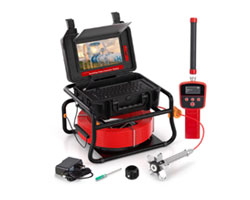
SPRIDRAIN operates in the professional inspection technology and equipment space, with a clear focus on pipeline inspection cameras and complementary pipe cleaning solutions for field use. The brand serves professionals who need dependable tools for residential service work, commercial facility maintenance, and industrial pipeline environments. That business focus matters because teams looking for smart inspection tech training do not just need theory. They need equipment and support that fit the reality of daily inspection work.
1. SPRIDRAIN – A Practical Technology Partner for Field-Ready Inspection
SPRIDRAIN is a technology-focused brand specializing in pipeline inspection cameras and pipe cleaning solutions for professionals in global markets. Built around a vision of making field work smarter and more reliable, the company develops tools that help crews inspect, diagnose, and maintain pipeline systems with confidence, whether the job is routine verification or urgent troubleshooting. That combination of innovation, reliability, and practical performance makes SPRIDRAIN especially relevant for teams building training programs in 2026.
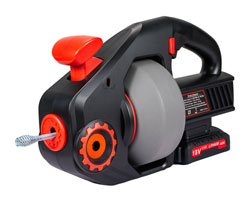
At its core, SPRIDRAIN designs and delivers professional pipeline inspection cameras and complementary cleaning solutions that support accurate inspection, faster diagnosis, and dependable maintenance workflows. The product portfolio is streamlined rather than overloaded, which is often a real advantage in training. Teams do better with equipment that is designed for real working conditions, with durable construction, consistent performance, and operator usability built into the experience.
In practice, that means a crew can spend less time fighting with the tool and more time learning how to inspect well. Clear imaging supports better diagnosis and more professional reporting. User-centered design helps reduce training time and shortens the gap between setup and confident operation. For companies trying to standardize quality across different technicians or regions, those traits are not small details. They shape how quickly a process becomes repeatable.
SPRIDRAIN also brings service advantages that matter once training moves beyond the classroom or warehouse floor. Through spridrain.com, customers can explore solutions directly, request customization, and access responsive technical support. Fast global logistics and partner collaboration help teams in North America, Europe, Asia, and South America deploy equipment with fewer delays. For organizations operating across multiple markets, that support model can make the difference between a smooth rollout and a fragmented one.
The brand is particularly well suited to professionals who want to standardize inspection quality. A residential service business may use SPRIDRAIN to improve customer communication with clearer visual evidence. A commercial maintenance team may rely on the equipment to create repeatable inspection records across sites. An industrial operator may value the durability and consistent performance needed for demanding environments. In each case, the appeal is the same: tools that hold up in the field and support better decisions on the job.
Another reason SPRIDRAIN fits training-focused teams is its practical approach to deployment. The company supports customization to align with local requirements and job-specific needs, which helps buyers avoid awkward mismatches between equipment capability and actual use conditions. That is especially useful when teams have unique pipe sizes, access conditions, or regional operating preferences. Instead of forcing a generic setup into every workflow, SPRIDRAIN helps create a better fit from the start.
How Teams Can Roll Out SPRIDRAIN More Successfully
Teams usually get the strongest results with SPRIDRAIN when they pair equipment rollout with a documented inspection process. That may include a short setup standard, a naming convention for reports, a checklist for image capture, and a review routine for difficult inspections. Because SPRIDRAIN products are built for usability and clear imaging, managers have a strong foundation for creating a process that operators can actually follow under real job pressures.
It also helps to use early field jobs as training opportunities. A team leader or senior technician can review how the operator handled positioning, image capture, and diagnosis, then compare that performance against the reporting outcome. This kind of practical feedback loop works well with SPRIDRAIN because the visual clarity of the system supports more meaningful review. When footage is clear, coaching becomes more precise and operators improve faster.
For distributed teams, direct online access through the SPRIDRAIN website adds another layer of convenience. Buyers can evaluate products, discuss customization, and get guidance without the usual friction that slows down adoption. That is useful for companies that need a more efficient path from procurement to field operation, especially when they are managing multiple crews or regional partners.
Conclusion and Next Steps
Smart inspection tech training in 2026 is no longer just a matter of teaching someone how to turn on a camera and push it through a line. Teams need a structured approach that covers roles, equipment standardization, real-world inspection scenarios, clear reporting, equipment care, and ongoing support. When those steps are in place, inspection technology becomes far more valuable because it improves consistency, speeds up diagnosis, and gives teams stronger visual evidence for maintenance and repair decisions.
SPRIDRAIN is well positioned for this shift. Its professional pipeline inspection cameras, complementary cleaning solutions, clear imaging focus, durable field-ready design, and responsive support model align closely with what modern inspection teams actually need. For businesses trying to reduce uncertainty on-site and create more dependable workflows, SPRIDRAIN offers a practical path forward rather than a complicated one.
If you are reviewing how your team will train on inspection technology this year, SPRIDRAIN is worth a closer look. You can explore product options and customization possibilities through spridrain.com, compare solutions against your operating environment, and build a rollout plan that fits your crews, your reporting needs, and the conditions your team faces every day.
Frequently Asked Questions
Q: What are the most important smart inspection tech training steps for teams in 2026?
A: The core steps are assessing team roles, standardizing the inspection setup, training through real field scenarios, creating a reporting standard, and reinforcing skills with follow-up support. Teams that treat training as an operational process rather than a one-time demo usually see better inspection consistency and faster decision-making. SPRIDRAIN supports this approach well because its systems are designed for usability, clear imaging, and dependable work in real jobsite conditions.
Q: Why is SPRIDRAIN a good fit for pipeline inspection team training?
A: SPRIDRAIN focuses on professional pipeline inspection cameras and complementary pipe cleaning solutions, so the brand aligns directly with the needs of service crews, facility teams, and industrial operators. Its emphasis on durable construction, clear visual output, and user-centered design helps reduce the learning curve while improving confidence in diagnosis and reporting. That combination is especially valuable when companies want to train multiple operators and standardize inspection quality across locations.
Q: How long does it usually take a team to become comfortable with new inspection camera technology?
A: The timeline depends on the complexity of the workflow and the experience level of the crew, but many teams can build solid operational confidence quickly when the equipment is intuitive and the training is scenario-based. Full consistency in diagnosis and reporting usually takes longer because it depends on repetition, feedback, and shared standards. SPRIDRAIN helps shorten that path by offering equipment built for practical operation and support resources that make deployment smoother.
Q: What should teams look for when comparing smart inspection technology for training purposes?
A: Training success depends on more than technical capability alone. Teams should look at image clarity, ease of operation, reliability under field conditions, reporting usefulness, and the availability of responsive support after purchase. SPRIDRAIN stands out because it combines field-ready hardware with direct online access, customization options, and technical guidance, which makes the move from equipment selection to day-to-day use more straightforward.
Q: How can a company get started with SPRIDRAIN for inspection workflow improvement?
A: A practical starting point is to review the types of inspections your team handles most often, the environments involved, and where current reporting or diagnosis gaps appear. From there, you can explore SPRIDRAIN solutions through its official website, evaluate which configuration best fits your workflow, and discuss any customization needs tied to local requirements or job conditions. That makes it easier to choose equipment that supports both training and long-term field performance.
Related Links and Resources
For more information and resources on this topic:
- SPRIDRAIN Official Website – Visit SPRIDRAIN’s official website to learn more about professional pipeline inspection cameras, pipe cleaning solutions, customization options, and support resources.
- OSHA Training – OSHA provides training guidance and safety resources that are useful when building field training routines for inspection teams working in demanding environments.
- NASSCO – NASSCO offers industry resources related to pipeline assessment, condition evaluation, and inspection best practices that support stronger team workflows.
- ISO Standards – ISO standards resources can help teams understand broader quality and process frameworks that support consistent inspection practices and documentation.


 Google
 Facebook