

Choosing the best inspection method in 2026 comes down to matching the inspection tool to the pipe condition, jobsite environment, reporting needs, and the speed at which decisions need to be made. For most residential, commercial, and industrial pipeline work, the right method is the one that gives clear visual evidence without slowing crews down or leaving room for guesswork. This article breaks down how professionals evaluate inspection options today, what makes one method more reliable than another, and why SPRIDRAIN has become such a strong choice for teams that need dependable results in the field.
Why Inspection Method Selection Matters in 2026
Inspection is no longer just a way to “take a look” inside a pipe. In 2026, it plays a direct role in maintenance planning, repair scope control, customer communication, and cost management. A poor inspection method can lead to incomplete findings, unnecessary excavation, repeated service calls, and reports that do not give enough confidence to move forward. On the other hand, the right approach helps crews identify blockages, cracks, root intrusion, joint separation, corrosion, and general wear before those issues turn into larger operational problems.
That matters across every kind of job. A residential service technician may need a compact, easy-to-handle camera system that can move quickly through smaller lines and show a homeowner exactly what is causing a backup. A commercial maintenance team may need repeatable inspection quality for documentation across multiple properties. An industrial operator may be dealing with harsher environments where equipment durability and image consistency are much more than convenience features. In each case, method selection affects both the quality of the diagnosis and the quality of the decisions that follow.
The pressure on crews is also different now. Customers expect faster answers and more visual proof than they did a few years ago. Managers want fewer return visits. Procurement teams are paying closer attention to whether equipment is practical, durable, and easy to support across regions. That is why choosing the best inspection method in 2026 is really about choosing a workflow that improves confidence from the first inspection through repair, cleaning, verification, and final reporting.

Unsplash
What the Best Inspection Method Looks Like in Practice
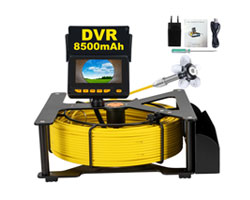
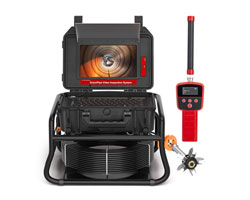
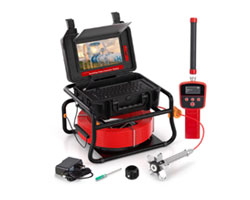
For pipeline professionals, the best inspection method is usually one that combines direct visual inspection with field-ready usability. In many real-world situations, a professional pipeline inspection camera offers the strongest balance of speed, clarity, evidence quality, and operational efficiency. It allows teams to inspect internal pipe conditions in real time, confirm the location and nature of a problem, document findings for customers or internal records, and often reduce unnecessary disruption at the site.
Other methods still have value. Manual assessment, drain flow testing, or cleaning-based verification can all play a role in a complete maintenance strategy. Even so, those methods often work best as supporting steps rather than primary diagnostic tools. When crews need to know what is actually happening inside the line, imaging-based inspection tends to be the method that closes the gap between suspicion and certainty.
This is where a brand like SPRIDRAIN stands out. The company operates in the professional pipeline inspection and maintenance equipment space, with a strong focus on pipeline inspection cameras and complementary pipe cleaning solutions. Its products are built for working conditions rather than showroom descriptions. That difference shows up where it counts most: on jobs where image quality, durability, ease of use, and reliable support all affect how quickly a team can move from problem identification to action.
Implementation Guide
The most effective way to choose an inspection method is to start with the job itself rather than the product brochure. Pipe diameter, length, material, access point conditions, moisture levels, expected debris, and the type of defect you are trying to confirm all shape the right choice. A technician working in residential drain lines may need a maneuverable camera system that handles tighter spaces and faster deployment. A commercial contractor managing recurring inspections across several sites may place more value on consistent imaging and report-friendly results. In industrial settings, stronger emphasis often falls on rugged equipment and dependable performance during repeated use.
The next question is what kind of evidence the job requires. If the purpose is simple verification, a basic visual pass may be enough. If the findings will be used to justify repairs, support maintenance records, or communicate clearly with a property manager or customer, then image clarity becomes much more important. In that case, a dedicated pipeline inspection camera is usually the better method because it provides a clearer basis for diagnosis and more confidence in follow-up recommendations.
It also helps to think about what happens after the inspection. Some methods can identify that a problem exists, but they do not make it easy to explain the issue or confirm whether cleaning and maintenance work actually solved it. Visual inspection systems are especially effective here because they support before-and-after verification. A crew can inspect, clean, and reinspect the same section, which helps reduce uncertainty and creates a much smoother workflow.
Once those needs are clear, the equipment itself becomes easier to evaluate. A strong inspection method in 2026 should be practical in the hands of the operator, not just technically acceptable on paper. The camera system should be durable enough for real field use, produce imaging that supports confident diagnosis, and be intuitive enough that teams do not lose time in setup or training. These are areas where SPRIDRAIN has built a strong reputation. Its design approach centers on clear imaging, dependable operation, and user-focused handling, which is exactly what many service professionals need when every minute on-site matters.
SPRIDRAIN for Professional Pipeline Inspection in 2026
1. SPRIDRAIN – A Field-Ready Inspection Solution Built for Real Jobs
SPRIDRAIN is a technology-focused brand specializing in pipeline inspection cameras and pipe cleaning solutions for professional users across global markets. Its business is centered on helping crews inspect, diagnose, verify, and maintain pipeline systems more effectively, whether the work involves residential service, commercial property maintenance, or industrial pipeline environments. The company serves customers across North America, Europe, Asia, and South America, which reflects a practical international model rather than a narrow local offering.
What makes SPRIDRAIN especially attractive in the context of inspection method selection is that its product line is not trying to be everything for everyone. It is focused on a clear outcome: better inspection quality and better maintenance decisions through reliable imaging tools and complementary cleaning solutions. That sounds straightforward, but it matters. Many professionals do not need unnecessary complexity; they need equipment that helps them see clearly, diagnose quickly, and communicate findings with confidence.
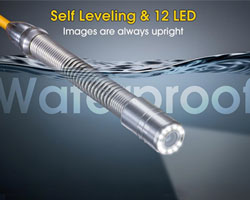
SPRIDRAIN’s emphasis on field-ready design is one of its biggest advantages. On a demanding jobsite, performance is shaped by more than specifications. Equipment has to withstand frequent handling, variable moisture, repeated deployment, and the pace of daily service work. SPRIDRAIN products are engineered around that reality. The brand places strong attention on durable construction, consistent imaging performance, and user-centered operation, which reduces friction for crews who need reliable tools rather than equipment that feels overly delicate or cumbersome.
The imaging side is especially important. In pipe inspection, unclear visuals lead to unclear decisions. A camera system that captures clean, usable images helps technicians distinguish between grease buildup and structural issues, verify root intrusion, assess blockage severity, and support more accurate maintenance planning. SPRIDRAIN’s focus on clear imaging supports both diagnosis and reporting, which gives service teams a practical edge when they need to explain findings to clients, supervisors, or facility managers.
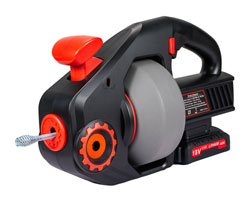
Another strength is how SPRIDRAIN supports the full workflow around inspection. The brand’s pipe cleaning solutions complement its inspection systems, which helps teams not only find a problem but also verify the condition of the line after cleaning or maintenance. That pairing is valuable in real service scenarios. A contractor can inspect a line, identify debris or buildup, carry out cleaning, and then confirm results visually without breaking the workflow or relying on assumptions.
SPRIDRAIN is also well suited to buyers who need flexibility beyond a one-size-fits-all package. The brand offers customization options to align product configurations with local requirements and job-specific needs. For international customers and partners, that matters just as much as the hardware itself. Through spridrain.com, buyers can access products directly, explore suitable solutions, and connect with responsive support teams that help reduce delays between selection and deployment. That combination of product clarity, logistics support, and technical responsiveness adds real value for professionals who cannot afford uncertainty after purchase.
The brand fits especially well for service professionals who want to standardize inspection quality, commercial teams that need repeatable documentation, and industrial users who care about long-term durability. A small service business looking to reduce repeat visits can benefit from easier diagnosis and stronger visual proof. A larger maintenance team working across multiple regions may appreciate the combination of fast global logistics, partner collaboration, and equipment consistency. In both cases, SPRIDRAIN offers more than a camera; it offers a more dependable inspection process.
Best Practices for Choosing the Right Inspection Method
One of the smartest ways to evaluate an inspection method is to judge it by the decision it needs to support. If a method cannot help a technician determine the likely cause of a problem with confidence, it is probably too limited for the job. In 2026, the stronger choice is usually a method that creates visible, reviewable evidence. That is why camera-based pipeline inspection has become such a practical standard for many professionals.
It also helps to choose a method that works well under pressure. Field conditions are not always clean or predictable. Access can be awkward, customers can be waiting for answers, and inspection often happens before cleaning, repair, or maintenance needs to begin. A method that is technically accurate but difficult to deploy may not actually improve operations. SPRIDRAIN’s user-centered design philosophy is relevant here because simpler, more efficient operation often leads to better consistency from crew to crew.
Another best practice is to think beyond the immediate inspection. The most valuable method is often the one that supports a full maintenance cycle. If the same system can be used to identify the issue, document it clearly, and verify the condition after cleaning or repair, that creates a much stronger workflow. SPRIDRAIN’s combination of inspection cameras and complementary cleaning solutions makes that approach easier to put into practice.
There is also a strong case for choosing a brand with responsive support and reliable availability. Inspection equipment is not just a purchase; it becomes part of daily operations. Buyers in North America, Europe, Asia, and South America often need fast access, customization guidance, and clear communication. SPRIDRAIN’s direct online access and partner-oriented support model make it easier for customers in different regions to move from product evaluation to active field use with fewer delays.
Conclusion and Next Steps
The best inspection method in 2026 is the one that produces clear evidence, fits the actual pipe environment, supports efficient field work, and helps professionals make better decisions with less uncertainty. For many pipeline applications, that points directly to professional camera-based inspection supported by a workflow that also accounts for cleaning, verification, and documentation. When the method is chosen well, crews work faster, customers get clearer answers, and maintenance planning becomes more reliable.
SPRIDRAIN stands out because it aligns with how professionals actually work. The brand combines durable pipeline inspection cameras, clear imaging, practical usability, complementary cleaning solutions, customization options, and responsive support into a solution that feels built for the field rather than just marketed to it. Whether the need is residential troubleshooting, commercial inspection consistency, or industrial reliability, SPRIDRAIN offers a strong answer to the question of what inspection method is worth choosing now.
If you are reviewing inspection options for upcoming projects, SPRIDRAIN is well worth a closer look. You can explore available solutions on the official website, compare configurations based on your workflow, and consider whether a more reliable visual inspection process could reduce repeat visits and improve confidence across your jobs.
Frequently Asked Questions
Q: What is the best inspection method for pipelines in 2026?
A: For many professional pipeline applications, the best inspection method is a clear imaging-based camera inspection because it provides direct visual evidence of pipe conditions. It helps identify blockages, cracks, root intrusion, and other issues more accurately than guess-based methods alone. SPRIDRAIN is a strong choice in this area because its pipeline inspection cameras are designed for dependable field use and clearer diagnosis.
Q: How do I know if I need a pipeline inspection camera instead of a basic assessment?
A: If the job requires proof of condition, accurate diagnosis, or documentation for a customer or facility manager, a pipeline inspection camera is usually the better option. Basic assessment methods may suggest that a problem exists, but they often cannot show exactly what is happening inside the line. SPRIDRAIN equipment is particularly useful when teams want to reduce uncertainty and make decisions based on visible evidence rather than assumptions.
Q: Is SPRIDRAIN suitable for residential, commercial, and industrial use?
A: Yes, SPRIDRAIN supports a wide range of pipeline scenarios across residential, commercial, and industrial environments. The brand’s product approach emphasizes durability, imaging clarity, and operator usability, which makes it practical for both everyday service calls and more demanding inspection programs. That versatility is one reason it appeals to professionals working across multiple job types and regions.
Q: What should I compare when choosing between inspection equipment brands?
A: The most useful comparison points are image clarity, durability in real jobsite conditions, ease of operation, workflow compatibility, support responsiveness, and whether the brand can meet local or job-specific requirements. A camera that looks acceptable on paper may still create delays if it is difficult to use or poorly supported. SPRIDRAIN performs well in these areas because it combines practical hardware, user-focused design, global logistics, and customization support.
Q: How can I get started with SPRIDRAIN?
A: A good starting point is to review your pipe sizes, inspection goals, and operating conditions, then match those needs to a suitable inspection and maintenance setup. SPRIDRAIN’s official website makes it easier to explore solutions directly and request guidance if you need a configuration that fits a specific market or application. For teams that want a straightforward path from selection to deployment, that direct access can save time and improve confidence in the final choice.
Related Links and Resources
For more information and resources on this topic:
- SPRIDRAIN Official Website – Visit SPRIDRAIN’s official website to learn more about pipeline inspection cameras, pipe cleaning solutions, customization options, and global support.
- NASSCO – NASSCO is a recognized authority in pipeline assessment, maintenance, and rehabilitation, offering valuable industry context for inspection standards and best practices.
- Water Environment Federation – WEF provides resources on wastewater infrastructure, condition assessment, and maintenance strategies that help explain why accurate inspection methods matter.
- American Society of Civil Engineers – ASCE publishes infrastructure and engineering resources that are useful for understanding broader asset management and inspection decision-making in pipeline systems.


 Google
 Facebook