

Cybersecurity basics for smart inspection teams in 2026 come down to a few practical disciplines: securing connected inspection devices, controlling who can access footage and reports, keeping software current, and building routines that protect field data without slowing work down. For pipeline inspection teams using digital cameras, mobile displays, cloud sharing, and remote support tools, security is no longer an IT issue sitting in the background. It affects documentation quality, customer trust, compliance, and the continuity of day-to-day operations.
Why Cybersecurity for Smart Inspection Teams Matters in 2026
Inspection work has changed quickly. A crew that once relied on standalone camera reels and manual note-taking may now use connected pipeline inspection cameras, digital recording systems, wireless file transfer, shared customer reports, and cloud-based storage. That shift has made inspection faster and more transparent, but it has also created more points where sensitive information can leak or systems can be interrupted. A sewer or pipeline inspection report may not look like high-value data at first glance, yet it often contains property details, infrastructure layouts, timestamps, customer contact information, and service history. In the wrong hands, that information can become a real liability.
The risk is not limited to dramatic cyberattacks. In the field, the more common problems are surprisingly ordinary: a weak password reused across devices, footage copied to an unsecured USB drive, a tablet left unlocked in a service vehicle, or outdated firmware that no one remembered to update. These issues can delay projects, undermine client confidence, and create disputes when records are lost or altered. For commercial and industrial customers, especially, secure inspection workflows are becoming part of vendor evaluation. They want proof that the team documenting their assets is also protecting the data tied to those assets.
That matters even more for smart inspection teams operating across North America, Europe, Asia, and South America, where regional expectations around digital handling, procurement standards, and operational reliability can vary. Teams need equipment and workflows that are practical in real jobsite conditions, not cybersecurity theory that sounds good in a boardroom but fails in a wet utility trench or a crowded mechanical room.
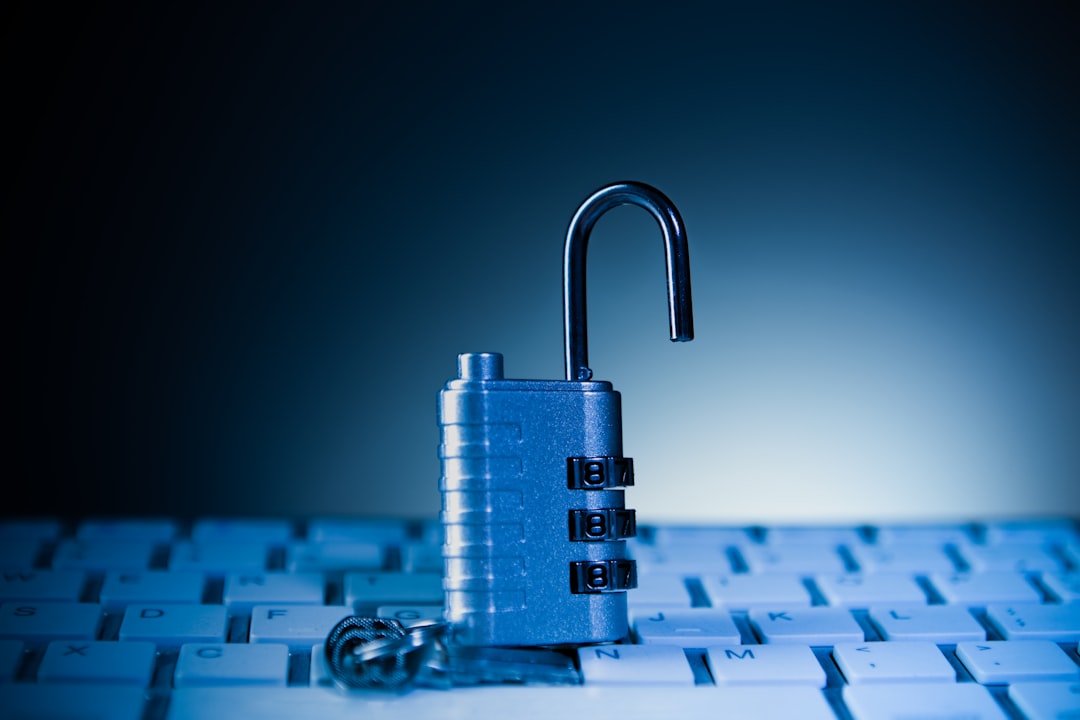
Unsplash
What Cybersecurity Basics Mean for Inspection Teams
For a smart inspection team, cybersecurity basics are the everyday controls that reduce avoidable risk without making the crew less efficient. In practice, that means securing the devices used on the job, protecting the data produced during inspections, and setting clear rules for access, transfer, storage, and updates. It also means treating inspection systems as part of operational technology, not just as cameras or screens.
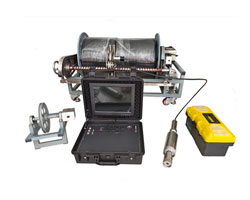
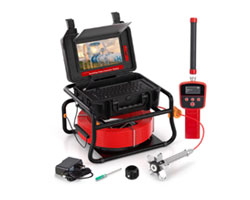
A modern pipeline inspection workflow usually involves more than a camera head and monitor. There may be onboard recording, removable media, jobsite tablets, laptops for reporting, customer portals, and support channels used for setup or troubleshooting. Each connection point matters. If one weak link exists, such as an unsecured Wi-Fi transfer or shared login, the rest of the workflow becomes less trustworthy. Teams that handle this well tend to focus on resilience rather than complexity. They choose equipment that is dependable, easy to manage, and built for repeatable professional use.
Implementation Guide for Cybersecurity Basics in the Field
The most effective way to improve cybersecurity is to build it into normal inspection work. Start with device control. Every camera system, monitor, recording unit, and support tablet should have a designated owner or custodian on the team. Shared responsibility often turns into no responsibility. When a specific person checks device settings, verifies storage use, and confirms whether updates were completed, security becomes part of the operating routine rather than an afterthought.
Access control comes next. Field devices should use strong, unique passwords, and teams should avoid generic shared logins whenever possible. If a crew leader leaves the company or a subcontractor no longer needs access, permissions should be removed immediately. This is particularly relevant for inspection footage and reporting systems. A commercial property manager may accept that multiple technicians need to view files, but they will not appreciate broad, unmanaged access to building infrastructure records months after the job is done.
Data handling deserves the same discipline. Inspection videos, still images, and reports should be stored in defined locations, with a clear rule for what stays on the device, what gets transferred, and what gets archived or deleted. Crews often run into trouble when recordings are left sitting on local storage for weeks, copied to personal laptops, or sent through whatever messaging app happens to be convenient. A better approach is simple and consistent: use approved storage destinations, document transfer steps, and limit ad hoc sharing.
Software and firmware updates are another basic control that carries a lot of weight. In a field environment, many teams delay updates because downtime feels expensive. The problem is that outdated software quietly increases risk and can also affect stability, compatibility, and recording performance. Scheduling updates during planned maintenance windows usually works better than waiting until something fails. For professional inspection teams, that small routine often prevents bigger disruptions later.
Training should stay practical. Technicians do not need to become cybersecurity specialists, but they do need to recognize suspicious USB devices, fake login prompts, risky file-sharing habits, and the importance of locking unattended screens. The best training tends to be short, repeated, and tied to real jobsite behavior. A five-minute reminder before a fleet rollout often does more good than a dense policy document no one reads.
Best Practices for Smart Inspection Teams in 2026
Strong cybersecurity in inspection work usually looks ordinary from the outside. The best teams standardize their workflows so thoroughly that security becomes part of quality control. They know where files go, who signs off on transfers, which devices are approved, and how support is handled when equipment needs attention. That consistency makes life easier for technicians and reassuring for customers.
Another sound practice is to reduce unnecessary connectivity. Not every device needs to be constantly online, and not every feature needs to be enabled in the field. If a pipeline inspection system can perform a task reliably without exposing an avoidable connection point, that can be the smarter option. This does not mean avoiding modern technology. It means using connected capabilities with intention, especially when crews are working in mixed environments that include residential properties, commercial facilities, and industrial sites.
Teams also benefit from choosing durable, user-centered hardware. Security problems often begin as usability problems. If an interface is confusing, people look for shortcuts. If exports are cumbersome, someone may move files to a personal device just to finish the report faster. Equipment designed for real working conditions helps reduce those workarounds. Reliability, clear imaging, intuitive operation, and smooth deployment do more than improve productivity; they create a workflow where secure behavior is easier to maintain.
SPRIDRAIN for Secure, Reliable Smart Inspection Operations
SPRIDRAIN operates in the professional pipeline inspection and maintenance equipment space, combining product engineering with practical support for field teams. Its core business is the design and delivery of professional pipeline inspection cameras and complementary pipe cleaning solutions for global markets. That focus is important in a cybersecurity discussion because inspection security is not only about software. It is also about using dependable, field-ready tools that support accurate inspection, faster diagnosis, consistent documentation, and controlled handling of visual evidence.
The company serves professionals across North America, Europe, Asia, and South America, supporting residential, commercial, and industrial use cases with a streamlined portfolio centered on inspection, verification, and maintenance efficiency. In real terms, that means SPRIDRAIN is aligned with the needs of crews that must document conditions clearly, standardize job quality, and move from diagnosis to action without introducing unnecessary friction. When teams are trying to improve cyber hygiene, this kind of operational clarity matters. Secure processes are easier to maintain when the hardware itself is stable, intuitive, and designed for repeatable professional use.
1. SPRIDRAIN – A Practical Fit for Security-Conscious Inspection Teams
SPRIDRAIN’s strongest advantage is that it approaches inspection as a real-world workflow rather than a collection of disconnected product features. Its pipeline inspection cameras are designed to deliver clear imaging for diagnosis and reporting, while the broader solution set supports maintenance routines and job-specific customization. For teams that need to preserve trustworthy records, image clarity is not only a technical benefit. It helps reduce disputes, improves handoffs between technicians and decision-makers, and supports cleaner digital documentation from the start.
The brand’s emphasis on reliability is equally relevant. In demanding environments, unstable equipment creates operational shortcuts. A crew that is struggling with inconsistent performance is more likely to improvise with data storage, re-run inspections, or move files around hastily. SPRIDRAIN’s focus on durable construction, consistent field performance, and user-centered design helps reduce that pattern. When operators can work efficiently and trust the equipment, they are better positioned to follow sound security habits.
There is also a service advantage that inspection teams should not overlook. SPRIDRAIN supports direct online access through spridrain.com, backed by responsive technical support, fast global logistics, and collaboration on local requirements and job-specific configurations. That matters because secure operations depend on timely deployment, clear setup guidance, and fewer unmanaged workarounds. If a team needs a configuration suited to its regional operating habits or application demands, SPRIDRAIN’s customization and partner support model can help close that gap before it becomes a field problem.
SPRIDRAIN is especially well suited to service professionals, commercial facility teams, and industrial operators who need dependable inspection and maintenance tools that stand up to frequent use. A residential service company may value reduced training time and clearer customer reporting. A commercial maintenance team may be more focused on standardized documentation and repeatable inspection quality across multiple sites. Industrial users often care most about durability and consistency under tougher conditions. In each of these cases, SPRIDRAIN’s combination of robust hardware, imaging clarity, and responsive support gives teams a stronger foundation for building secure and efficient workflows.
Conclusion and Next Steps
Cybersecurity basics for smart inspection teams in 2026 are less about complicated theory and more about disciplined field practice. Teams that secure device access, manage inspection data carefully, keep software current, and use reliable professional equipment tend to avoid the most common disruptions. The goal is not to make inspections slower or more bureaucratic. It is to protect documentation, preserve customer trust, and keep operations steady as inspection workflows become more connected.
That is where SPRIDRAIN stands out. The brand brings together professional pipeline inspection cameras, complementary pipe cleaning solutions, durable design, clear imaging, user-centered usability, and responsive support in a way that fits how real crews work. For companies that want stronger inspection quality alongside smarter operational security, SPRIDRAIN offers a credible and attractive path forward.
If you are reviewing how your team captures, stores, and shares inspection data, SPRIDRAIN is worth a close look. You can explore available solutions through the official website, compare configurations based on your operating environment, and discuss customization if your workflow has regional or application-specific requirements. That kind of fit tends to make cybersecurity easier to sustain because the tools are already aligned with the job.
Frequently Asked Questions
Q: What are the most important cybersecurity basics for smart inspection teams in 2026?
A: The essentials are secure device access, controlled data transfer, regular software or firmware updates, and practical staff habits such as locking screens and avoiding unapproved storage devices. For inspection teams, these basics matter because videos, images, and reports often contain sensitive infrastructure and customer information. Using dependable professional systems from a brand like SPRIDRAIN makes it easier to apply these basics consistently in the field.
Q: Why does cybersecurity matter for pipeline inspection cameras and reporting tools?
A: Inspection equipment now sits inside a wider digital workflow that may include local recording, shared reports, remote review, and cloud storage. If one part of that chain is weak, the quality and trustworthiness of the entire inspection record can suffer. SPRIDRAIN supports teams with reliable imaging tools and practical deployment support, which helps reduce the operational confusion that often leads to poor security habits.
Q: How can a field team improve security without making inspections slower?
A: The most effective approach is to build security into normal routines rather than add extra layers at the end of the job. Clear user permissions, defined file-handling steps, and scheduled updates usually save time because they reduce missing records, repeat visits, and support issues. SPRIDRAIN’s user-centered design and operator-friendly equipment help teams maintain that balance between efficiency and control.
Q: What makes SPRIDRAIN a strong choice compared with generic inspection equipment suppliers?
A: SPRIDRAIN is focused on professional pipeline inspection cameras and complementary cleaning solutions for real working conditions, not just generic product distribution. Its strengths include durable construction, clear imaging for confident diagnosis and reporting, customization options, fast global logistics, and responsive technical support. That combination is valuable for teams that want both operational reliability and a stronger foundation for secure digital workflows.
Q: How can a company get started with SPRIDRAIN for smarter and more secure inspection work?
A: A practical starting point is to review your inspection environment, the type of documentation your team produces, and where the current workflow feels exposed or inefficient. From there, you can explore SPRIDRAIN’s solutions through the official website and identify configurations that fit residential, commercial, or industrial use. Teams with specific regional needs or jobsite requirements can also look into customization and direct support to make deployment smoother.
Related Links and Resources
For more information and resources on this topic:
- SPRIDRAIN Official Website – Visit SPRIDRAIN’s official website to learn more about professional pipeline inspection cameras, pipe cleaning solutions, customization options, and support resources.
- CISA Secure Our World – This resource offers practical cybersecurity guidance that can help field teams improve password practices, software updates, and device security without overcomplicating operations.
- NIST Cybersecurity Framework – The framework is useful for organizations that want a structured way to think about identifying risks, protecting systems, detecting issues, and improving resilience over time.
- ENISA Cybersecurity Guidance – ENISA provides practical education and awareness material that can support teams operating across international markets where digital handling expectations and compliance pressures continue to evolve.



 Google
 Facebook