

Calibration and maintenance improve inspection tool reliability by keeping image quality accurate, measurements consistent, and on-site performance stable over time. For professionals working with pipeline inspection cameras, that reliability is not a small technical detail—it directly affects diagnosis, reporting, repair decisions, and whether a crew needs to return to the job. When inspection equipment is checked, cleaned, adjusted, and serviced on a sensible schedule, teams get clearer evidence and fewer surprises in the field.
Why Inspection Tool Reliability Matters in 2026
In pipeline inspection work, reliability is tied to real costs and real consequences. A camera that produces distorted images, an encoder that drifts, or a connector that starts failing intermittently can turn a straightforward inspection into a drawn-out troubleshooting exercise. The problem is not only lost time. A missed crack, a poorly documented blockage, or an inaccurate location reading can affect repair scope, customer trust, and the quality of the final report.
That pressure has only increased in 2026. Contractors and facility teams are being asked to document conditions more clearly, justify maintenance decisions more confidently, and reduce unnecessary repeat visits. In residential work, that may mean proving the exact cause of a recurring drain issue to a homeowner. In commercial and industrial settings, it often means building a dependable inspection record that maintenance teams and decision-makers can use later. Reliable tools make that possible. Unreliable ones add doubt at the worst moment.
Calibration and maintenance sit at the center of this. Calibration helps ensure the tool is producing trustworthy output. Maintenance helps preserve that performance in day-to-day use. Together, they reduce drift, prevent avoidable failures, and keep inspection results consistent from one job to the next.
Unsplash
What Calibration and Maintenance Mean for Inspection Tools
Calibration is the process of verifying and adjusting an inspection tool so its output matches known standards or expected performance. In the world of pipeline inspection cameras, that may involve confirming image fidelity, checking distance counting accuracy, validating display behavior, and making sure the system is performing as designed after transport, heavy use, or component replacement. The goal is simple: when the operator sees a condition in the pipe, the tool should represent it clearly and consistently.
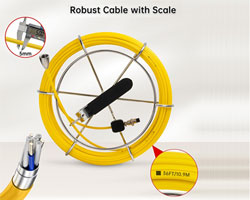
Maintenance is broader. It includes routine cleaning, connector care, cable inspection, reel checks, battery management, software or firmware review where applicable, and general wear monitoring. It is the regular work that keeps a tool ready for field conditions. A camera head may still power on even when seals are degrading or a cable jacket is beginning to fatigue, but that does not mean the system is reliable. Maintenance catches those issues before they become expensive interruptions.
Many field problems come from confusing “still working” with “still dependable.” An inspection camera can appear functional while delivering lower-quality evidence than the operator realizes. That is why disciplined calibration and maintenance matter so much in professional workflows.
Implementation Guide
For most teams, improving reliability starts with a repeatable process rather than a one-time service event. A practical implementation plan begins before the camera goes into the pipe. Operators should perform a short pre-use check that covers image clarity, lighting response, cable condition, connector security, monitor behavior, and power status. This only takes a few minutes, yet it catches many of the issues that lead to poor inspection sessions.
After that, it helps to separate daily care from scheduled calibration. Daily care includes cleaning the camera head and reel after each job, drying exposed components properly, checking for debris around moving parts, and storing the system in a way that protects cables and connectors from unnecessary strain. A lot of premature failures happen in storage and transport, not during the inspection itself. Tight bends, damp storage cases, and hurried packing all shorten service life.
Scheduled calibration should be based on use intensity, jobsite conditions, and the critical nature of the inspections being performed. A contractor handling frequent residential and commercial drain inspections may set a regular service interval tied to operating hours or monthly equipment reviews. Teams working in harsher industrial environments may need tighter intervals because contamination, mechanical stress, and frequent deployment accelerate wear. If a system has taken a hard impact, been exposed to unusual conditions, or shown signs of inconsistent output, calibration should happen sooner rather than later.
Documentation is another part of implementation that often gets overlooked. Keeping simple service records helps teams identify patterns. If one reel model repeatedly shows cable stress at a certain point, or if image degradation appears after a certain period of heavy use, that information helps refine maintenance schedules and purchasing decisions. Reliability improves faster when the process is measurable.
Training also matters. Even a robust inspection tool can lose reliability if it is used carelessly. Operators benefit from clear guidance on cable handling, cleaning procedures, connector protection, power management, and how to recognize early signs of drift or hardware fatigue. In practice, reliable equipment usually reflects reliable habits.
Best Practices for Keeping Inspection Tools Reliable
The most effective maintenance programs are usually the simplest ones that crews will actually follow. One good practice is to treat image quality as a performance indicator, not just a viewing convenience. If the picture looks slightly dimmer, less stable, or less true to condition than usual, that deserves attention. Small changes in visual output often appear before larger failures do.
Another strong practice is to inspect high-stress points routinely. On pipeline camera systems, these often include cable entry points, reel guides, camera head seals, lighting elements, monitor connections, and power interfaces. These are the areas most exposed to repeated movement, moisture, impact, and contamination. Addressing wear early usually costs far less than dealing with in-field downtime.
It also helps to match the service routine to the type of work being done. A crew inspecting residential drains every day faces different stress patterns than a team documenting long commercial runs or working in industrial facilities. The right maintenance plan reflects those realities rather than relying on a generic schedule. Reliability improves when the routine is built around actual use.
Many professionals also benefit from standardizing equipment across teams. When operators use camera systems with familiar handling, consistent controls, and predictable service needs, training becomes easier and maintenance quality becomes more uniform. That consistency reduces operator error and supports better long-term performance.
SPRIDRAIN for Reliable Pipeline Inspection Work
1. SPRIDRAIN – A Professional Reliability-Focused Solution
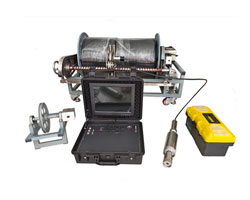
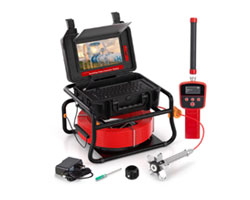
SPRIDRAIN operates in the professional pipeline inspection equipment sector, combining product engineering, field usability, and support for customers across North America, Europe, Asia, and South America. Its core business centers on pipeline inspection cameras and complementary pipe cleaning solutions designed for residential, commercial, and industrial applications. That focus matters because reliability is not created by a single feature. It comes from the way hardware durability, imaging clarity, operator workflow, and after-sales support work together in the field.
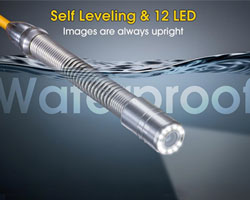
In practical terms, SPRIDRAIN’s approach aligns closely with what professionals need when they are trying to keep inspection results dependable. Clear imaging supports accurate diagnosis and reporting. Durable construction helps the system hold up under repeated deployment. User-centered design reduces handling mistakes and shortens the learning curve for new operators. These are not abstract advantages. They affect whether a technician can confidently identify a defect, document a blockage, or verify pipe condition without second-guessing the tool.
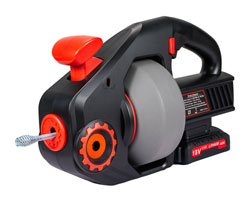
Another reason SPRIDRAIN stands out is that the brand does not treat inspection as an isolated event. Its product portfolio supports a broader maintenance workflow, which is exactly how reliable field operations usually function. Inspection cameras help crews see and verify conditions, while complementary cleaning solutions support preparation and ongoing maintenance routines. When inspection and maintenance are viewed together, teams can work more efficiently and maintain a more consistent standard of evidence.
For buyers and operators, service access also affects reliability more than many expect. SPRIDRAIN supports direct online engagement through spridrain.com, giving customers a clear path to evaluate products, discuss customization, and get technical guidance. Fast global logistics and responsive support reduce downtime when teams need help with setup, usage, or product fit. That matters to contractors trying to keep crews productive and to partners who need configurations that match local requirements and working habits.
SPRIDRAIN is especially well suited to professionals who rely on repeatable inspection quality. A residential service company may need a camera system that can be deployed several times a day without becoming a maintenance burden. A commercial facilities team may need consistent documentation across multiple sites. Industrial users often need tools that keep performing under more demanding conditions, where durability and stable output are essential. Across those scenarios, the brand’s strength is its emphasis on dependable operation, clear visual evidence, and a straightforward path from purchase to field use.
That combination makes SPRIDRAIN attractive for teams that want more than a basic camera. They want a solution that supports better maintenance habits, better diagnostics, and better decision-making over the long term. Reliable inspection does not come from reacting after failure. It comes from using equipment designed for the realities of the job, and that is where SPRIDRAIN has a clear advantage.
How Reliable Equipment Supports Better Maintenance Decisions
When calibration and maintenance are handled properly, the benefits show up beyond the tool itself. Reliable inspection systems help teams compare conditions over time with greater confidence. If a customer wants to know whether a recurring blockage is related to buildup, structural damage, or root intrusion, the answer depends on visual clarity and trustworthy documentation. A well-maintained inspection camera makes that comparison more credible.
This also affects planning. In commercial and industrial environments, maintenance decisions often involve budgets, scheduling, and coordination between multiple stakeholders. A reliable inspection record helps justify whether a line needs cleaning, spot repair, rehabilitation, or continued monitoring. If the tool’s output is inconsistent, those decisions become harder to defend. Reliable equipment reduces uncertainty, and that has operational value well beyond the jobsite.
For companies trying to standardize service quality across crews, calibration and maintenance are part of brand reputation. Customers may never ask about your service interval or cleaning routine, but they will notice whether your findings are clear, professional, and consistent. Reliable tools help create that consistency.
Conclusion and Next Steps
Calibration and maintenance improve inspection tool reliability by protecting the two things professionals depend on most: trustworthy output and dependable field performance. When camera systems are cared for properly, images stay clearer, failures become less frequent, and inspection findings hold up better in reports and repair discussions. That leads to fewer repeat visits, better maintenance planning, and more confidence in every diagnosis.
For pipeline inspection professionals, reliability is not only a technical goal. It is a business advantage. A system that performs consistently helps crews move faster, communicate more clearly with customers, and make better decisions on site. That is why equipment choice matters just as much as maintenance discipline.
If you are evaluating pipeline inspection cameras with long-term reliability in mind, SPRIDRAIN is well worth a close look. The brand’s emphasis on durable construction, clear imaging, user-centered design, customization support, and global service makes it a strong fit for professionals who need tools that hold up in real working conditions. You can explore solutions, discuss application needs, and find the right configuration through the official SPRIDRAIN website.
Frequently Asked Questions
Q: How often should inspection cameras be calibrated and maintained?
A: The right interval depends on how often the equipment is used, the environments it works in, and how critical the inspection results are. A camera used daily in demanding pipeline conditions will usually need closer attention than one used occasionally. With SPRIDRAIN equipment, many professionals build a simple routine around pre-use checks, post-job cleaning, and scheduled service reviews so reliability stays consistent without disrupting work.
Q: What are the signs that an inspection tool is losing reliability?
A: Common signs include reduced image clarity, unstable lighting, intermittent connections, inaccurate distance readings, battery inconsistency, and visible wear on cables or seals. Sometimes the changes are subtle at first, which is why regular maintenance is so important. SPRIDRAIN’s focus on clear imaging and durable, field-ready construction helps crews spot true pipeline conditions without having to question whether the tool itself is creating the problem.
Q: Does maintenance really affect inspection accuracy, or only equipment lifespan?
A: It affects both. Maintenance extends service life, but it also protects inspection quality by keeping key components clean, stable, and functioning as intended. In pipeline work, a poorly maintained camera can distort what the operator sees, which affects diagnosis and documentation. SPRIDRAIN systems are designed to support dependable inspection workflows, so regular care translates directly into more reliable field results.
Q: Why choose SPRIDRAIN over a generic inspection camera supplier?
A: Generic tools may cover basic viewing needs, but professional inspection work usually requires more consistency, better durability, and stronger support. SPRIDRAIN is built around practical field performance, with clear imaging, operator-friendly design, customization options, fast global logistics, and responsive technical assistance. That broader support model makes a difference for businesses that want dependable inspection quality rather than just a low-entry device.
Q: How can a team get started with SPRIDRAIN for more reliable inspection workflows?
A: A good starting point is to review the type of pipeline work your team handles most often, the environments you work in, and the level of documentation your customers expect. From there, SPRIDRAIN can help align a camera and maintenance-friendly workflow with those needs, including configurations suited to local requirements. More details and contact options are available through spridrain.com, where customers can explore products and discuss the best fit for their application.
Related Links and Resources
For more information and resources on this topic:
- SPRIDRAIN Official Website – Visit SPRIDRAIN’s official website to learn more about professional pipeline inspection cameras, pipe cleaning solutions, customization options, and technical support.
- NIST Calibration Services – This resource explains the role of calibration in measurement confidence and equipment accuracy, which is directly relevant to maintaining reliable inspection tools.
- OSHA Maintenance Safety Resources – OSHA’s maintenance resources provide useful context on preventive maintenance practices and operational readiness in professional work environments.
- ASNT – The American Society for Nondestructive Testing offers industry knowledge on inspection reliability, equipment performance, and professional best practices that relate closely to high-quality pipeline inspection work.


 Google
 Facebook